Port Facility Security Officer Training: Why It Matters for Port Safety

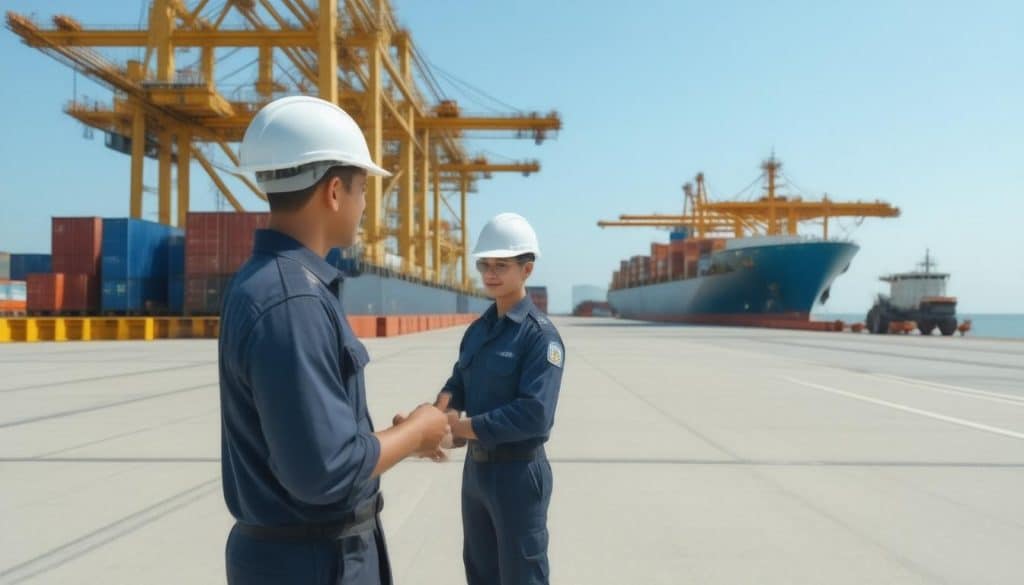
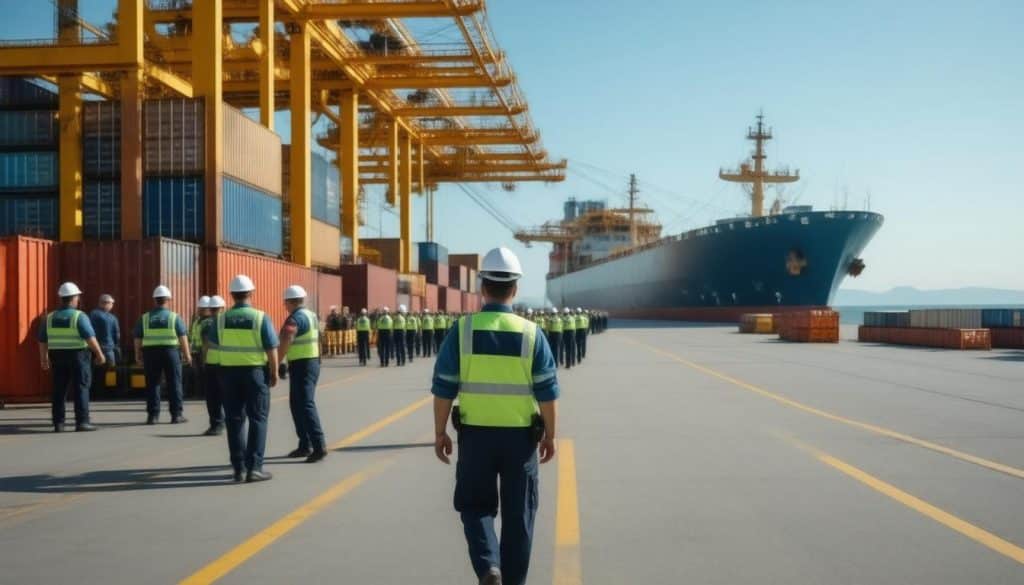
In today’s interconnected world, maritime security has never been more crucial, and at the heart of this effort lies the role of the Port Facility Security Officer (PFSO). Port Facility Security Officer Training: Why It Matters for Port Safety is a critical topic for those involved in maritime operations, as it addresses both the safety of shipping routes and the protection of ports from potential threats. Effective PFSOs are essential to ensuring that ports operate smoothly and securely, which ultimately enhances the safety of global trade and maritime activity. In this article, we will delve into the importance of port facility security, outline the key responsibilities of a PFSO, explore training programs and certification requirements, and highlight best practices for enhancing port safety through effective training.

Learn More About Our Courses Here!

Port Facility Security Officer Training: Why It Matters for Port Safety

Key Takeaways

  • Port Facility Security training is essential to ensure overall safety at ports.
  • Port Facility Security Officers have crucial responsibilities that directly impact security measures.
  • Effective training programs are necessary for proper certification of security personnel.
  • Continual training and education enhance the skills of Port Facility Security Officers.
  • Implementing best practices from training can significantly improve port safety operations.

The Importance of Port Facility Security

In the ever-evolving landscape of maritime operations, the significance of Port Facility Security Officer Training cannot be overstated, especially regarding port safety. As global trade continues to expand, ports have become vulnerable to various security threats, making it essential to establish robust safety protocols. Training for Port Facility Security Officers equips personnel with the necessary skills and knowledge to identify potential risks, implement effective security measures, and respond to incidents swiftly. This specialized training encompasses various aspects, including threat assessment, emergency response procedures, and collaboration with law enforcement and port authorities. By prioritizing Port Facility Security Officer Training, ports not only enhance their security posture but also ensure the safety of personnel, cargo, and infrastructureโ€”all vital components that contribute to streamlined operations and the protection of maritime assets.

Key Responsibilities of a Port Facility Security Officer

A Port Facility Security Officer (PFSO) plays a crucial role in maintaining the safety and security of maritime operations, and effective Port Facility Security Officer training is essential for ensuring a well-prepared and competent security professional. First and foremost, the PFSO is responsible for developing, implementing, and maintaining the security plan of the port facility in compliance with international regulations such as the ISPS Code. This includes conducting regular security assessments to identify vulnerabilities and threats, as well as coordinating security drills and training exercises to prepare staff for potential incidents. Furthermore, PFSOs liaise with governmental security agencies and other stakeholders to foster a collaborative approach to port security, sharing vital intelligence and resources. Continuous education and training are paramount; they not only equip PFSOs with the latest strategies and technologies but also enhance their ability to respond to evolving security challenges. In summary, investing in Port Facility Security Officer training is critical for the overall safety and security of port facilities, ensuring that they remain secure conduits for global trade.

Learn More About Our Courses Here!

Training Programs and Certification Requirements

When it comes to ensuring the safety and security of port facilities, proper training and certification of personnel are paramount. The Port Facility Security Officer Training is not just a regulatory requirement; it is a critical component that helps safeguard against potential threats and vulnerabilities in maritime security. This specialized training equips officers with the necessary skills to identify risks, respond effectively to security incidents, and implement security measures in compliance with international standards, such as those set by the International Maritime Organization (IMO). Beyond fulfilling legal obligations, this training enables port facility security officers to foster a culture of safety, instilling confidence among stakeholders and protecting cargo, personnel, and visitors alike. Understanding the significance of this training can make the difference between a secure port environment and one susceptible to security breaches.

Best Practices for Enhancing Port Safety through Training

In the dynamic environment of maritime operations, Port Facility Security Officer Training plays a pivotal role in safeguarding the integrity and security of port facilities. This specialized training equips officers with essential skills and knowledge to identify potential threats, manage security protocols, and respond effectively to emergencies. By understanding the regulatory frameworks and implementing best practices derived from this training, ports can significantly enhance their overall safety measures. A well-trained security officer is not just a line of defense against unauthorized access or potential safety breaches but also a crucial contributor to fostering a culture of security awareness among all port personnel. Consequently, the investment in Port Facility Security Officer Training is not only a legal requirement but a vital component to ensure the functionality and safety of port operations, ultimately protecting both people and assets.

ร€ Propos de Nous
Virtual Maritime Academy is a leading provider of online maritime education and training, offering a wide range of courses designed to meet the needs of the global maritime industry. With a commitment to quality and innovation, Virtual Maritime Academy is dedicated to preparing seafarers and maritime professionals for success in their careers. Now a DNV Certified Maritime Training Provider, the academy upholds the highest standards of excellence in training and education.

Learn More About Our Courses Here!

A Day in the Life of a Port Facility Security Officer

Every day in the maritime industry presents unique challenges, particularly for those tasked with safeguarding our ports. In this intriguing exploration of ‘A Day in the Life of a Port Facility Security Officer,’ we will dive deep into the varied responsibilities and routines that shape the work of these crucial personnel. From the vital morning briefings to the vigilant monitoring activities and the unexpected nature of emergency responses, join us as we uncover what it truly means to ensure the security and integrity of our port facilities.

Learn More About Our Courses Here!

A Day in the Life of a Port Facility Security Officer

Key Takeaways

  • Port Facility Security Officers start their day with a thorough briefing to outline security priorities.
  • Monitoring and surveillance are critical tasks that ensure the safety and security of port operations.
  • Emergency response protocols are crucial for handling potential threats or incidents effectively.
  • Documentation through end-of-day reports helps track security measures and bolster communication among staff.
  • Reflection on daily experiences allows officers to improve their practices and stay vigilant for future challenges.

Morning Routine and Briefing Procedures

A day in the life of a Port Facility Security Officer begins early, with a meticulously structured morning routine that sets the tone for the day ahead. Upon arrival at the facility, the officer conducts a thorough briefing with the security team, reviewing the security protocols and updating everyone on any changes in regulations or expected activities within the port area. This briefing is crucial for ensuring that all personnel are aligned and aware of their responsibilities, particularly concerning the security of cargo and personnel within the facility. After the briefing, the officer inspects key access points, checks surveillance systems, and engages with on-site staff to foster a cooperative atmosphere. This proactive approach not only enhances the security measures in place but also helps in identifying potential vulnerabilities before they can be exploited. Establishing clear communication and an organized routine is fundamental to the effectiveness of a Port Facility Security Officer, ensuring that they can swiftly respond to any incidents while maintaining the integrity of the port.

Monitoring and Surveillance Activities

Monitoring and surveillance activities play a crucial role in ensuring the security of maritime operations. In this context, letโ€™s explore a day in the life of a Port Facility Security Officer (PFSO). The PFSO is tasked with overseeing security measures throughout the port, which includes the constant monitoring of CCTV cameras and conducting regular patrols to identify any unauthorized access or suspicious activities. Starting before dawn, the PFSO reviews the previous dayโ€™s security logs and analyses any incidents that occurred. As the day unfolds, they coordinate with local law enforcement agencies and oversee security drills to ensure that all personnel are well-prepared for potential emergencies. Utilizing cutting-edge technology, the officer also analyzes data from various sensors and alarms, ensuring that everything runs smoothly and that the safety protocols are effectively implemented. Through vigilant attention and strategic oversight, the PFSO plays an indispensable role in upholding maritime security, safeguarding both the facility and the vessels that transit through the port.

Learn More About Our Courses Here!

Emergency Response Protocols

A Day in the Life of a Port Facility Security Officer involves a meticulous routine of vigilance and readiness, especially when it comes to emergency response protocols. These officers are the front line of defense at maritime facilities, tasked with ensuring safety and security for all operations. Each day begins with comprehensive briefings, where the officer reviews potential threats, security updates, and emergency measures. Regular drills are conducted to ensure that all personnel are familiar with evacuation routes and procedures during a crisis. When an emergency arises, whether it’s a natural disaster like a hurricane or a security breach, the Port Facility Security Officer must act swiftly, coordinating with local authorities and other emergency responders. Communication is key; they utilize advanced surveillance systems and two-way radios to relay critical information and maintain a safe environment. As a result, the role of the Port Facility Security Officer is not just about monitoring but also about proactive planning and reactive execution, exemplifying the importance of emergency response protocols in maritime security.

End-of-Day Reports and Reflections

At the close of each bustling day at the docks, the vital role of a Port Facility Security Officer becomes a focal point of reflection and documentation. A Day in the Life of a Port Facility Security Officer typically concludes with thorough end-of-day reports, crucial for maintaining comprehensive security oversight and ensuring compliance with maritime regulations. These reports consolidate observations, security incidents, and interactions, serving as a legal record and guiding future security protocols. In this reflective process, officers assess the effectiveness of their daily operations, identifying gaps and success stories in port security measures. By documenting unusual activities or safety concerns, they contribute to a continuous cycle of improvement that enhances overall security infrastructure. These reflections not only provide valuable insights into the dayโ€™s events but also facilitate better preparedness for the challenges faced in future shifts, solidifying the officer’s role as a key player in protecting maritime assets and upholding safety standards.

ร€ Propos de Nous
Virtual Maritime Academy is a leading provider of online maritime education and training, offering a wide range of courses designed to meet the needs of the global maritime industry. With a commitment to quality and innovation, Virtual Maritime Academy is dedicated to preparing seafarers and maritime professionals for success in their careers. Now a DNV Certified Maritime Training Provider, the academy upholds the highest standards of excellence in training and education.

Learn More About Our Courses Here!