
Behavioral Patterns & Threat Indicators: What PSA / VPWOSR Teaches You to Spot

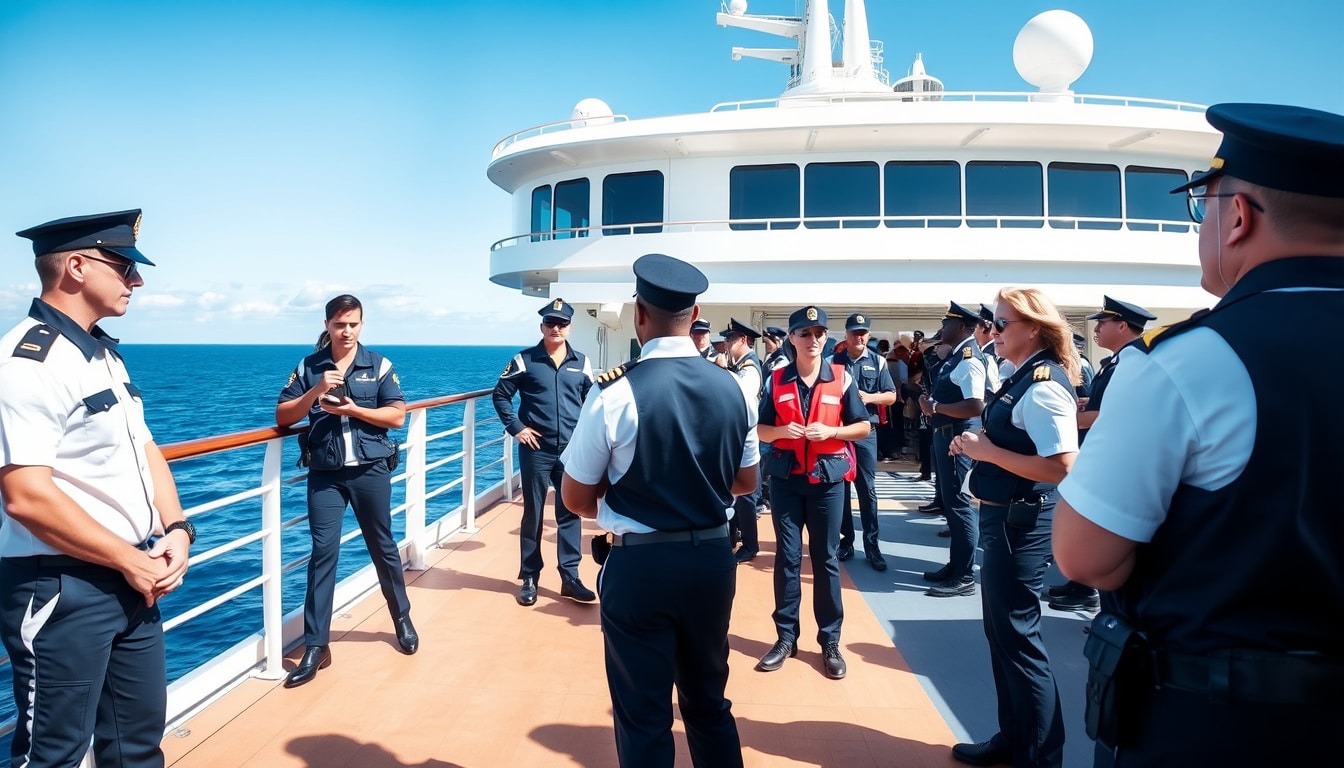
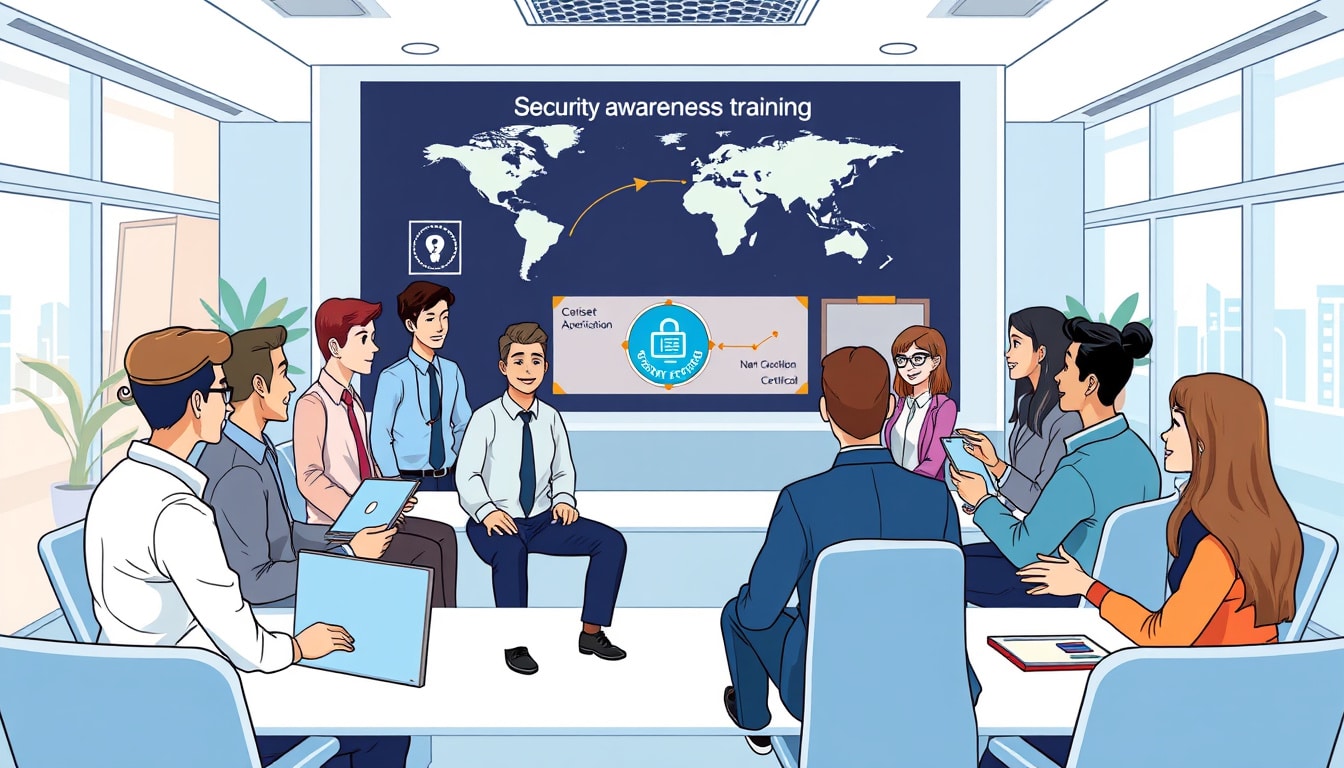
In a world where maritime security is paramount, cruise ship crew members must be equipped with the knowledge and skills to identify potential threats. Security Awareness Training for All Seafarers, particularly the PSA (Proficiency in Security Awareness) and VPWOSR (Vessel Personnel Without Security Responsibilities) course, plays an essential role in this process. These training programs not only enhance seafarer security awareness but also forge a culture of vigilance on board. This article delves into the critical components of behavioral patterns and threat indicators that the PSA/VPWOSR training teaches you to spot, providing you with the tools to contribute effectively to shipboard safety.

Learn More About our PSA Online Course Here!

Key Takeaways

  • Understanding behavioral patterns is crucial for detecting potential threats in security situations.
  • Recognizing common threat indicators can enhance awareness and proactive measures in safety protocols.
  • PSA and VPWOSR provide essential tools for conducting effective risk assessments in various environments.
  • Behavioral analysis can be practically implemented to improve security and emergency response strategies.
  • Being equipped with knowledge about behavioral patterns increases overall safety in both personal and community settings.

Understanding Behavioral Patterns in Security Contexts

Understanding the behavioral patterns and threat indicators is crucial for enhancing security on cruise ships. This is where the PSA (Proficiency in Security Awareness) and VPWOSR (Vessel Personnel Without Security Responsibilities) courses come into play, providing essential training for all seafarers. These programs do not just equip crew members with knowledge; they empower them to become vigilant observers of their environment, capable of identifying unusual behaviors that could indicate security risks. By learning to spot behavioral patterns associated with potential threats, crew members can effectively contribute to maintaining a secure maritime environment. Whether itโ€™s recognizing suspicious activities around sensitive areas of the ship or being alert to individuals who may not belong, the skills acquired in the PSA/VPWOSR course are invaluable. Effective cruise ship security training focuses not only on protocols and procedures but also emphasizes the importance of human factors, teaching seafarers to trust their instincts and report concerns. This proactive approach helps create a safer onboard atmosphere and fosters a culture of security awareness among all crew members.

Identifying Common Threat Indicators

In the realm of cruise ship security training, recognizing behavioral patterns and threat indicators is an essential skill that every seafarer should master. The PSA/VPWOSR course (Proficiency in Security Awareness/Vessel Personnel Without Security Responsibilities) specifically equips crew members with the knowledge to detect unusual behaviors that may indicate potential security threats. Participants learn to identify common threat indicators such as suspicious interactions among passengers, unauthorized access to restricted areas, and the presence of individuals exhibiting unusual levels of nervousness or evasiveness. By understanding these behavioral patterns, crew members can act promptly to mitigate risks, ensuring the safety and security of both passengers and the vessel. Security awareness training empowers seafarers to assume an active role in safeguarding their cruise ship environment, transforming them into vigilant guardians who are adept at spotting potential threats before they escalate.

Learn More About our PSA Online Course Here!

The Role of PSA and VPWOSR in Risk Assessment

In the realm of cruise ship security training, understanding the nuances of Proficiency in Security Awareness (PSA) and Vessel Personnel Without Security Responsibilities (VPWOSR) is vital for enhancing overall safety. The PSA/VPWOSR course equips crew members with the knowledge to recognize behavioral patterns and threat indicators that may compromise shipboard security. This training emphasizes the importance of vigilance and situational awareness, teaching seafarers to identify unusual behaviors that could signify potential risks. Crew members are trained to observe their surroundings meticulously, enabling them to spot anything from unauthorized individuals attempting to access restricted areas to suspicious package placements. By instilling these skills, the PSA/VPWOSR course not only empowers crew members in their roles but also contributes significantly to the collective safety of all passengers aboard the cruise ship. Understanding how to discern these threat indicators fosters a proactive safety culture, crucial for mitigating risks in the increasingly complex maritime environment.

Practical Applications of Behavioral Analysis in Safety Protocols

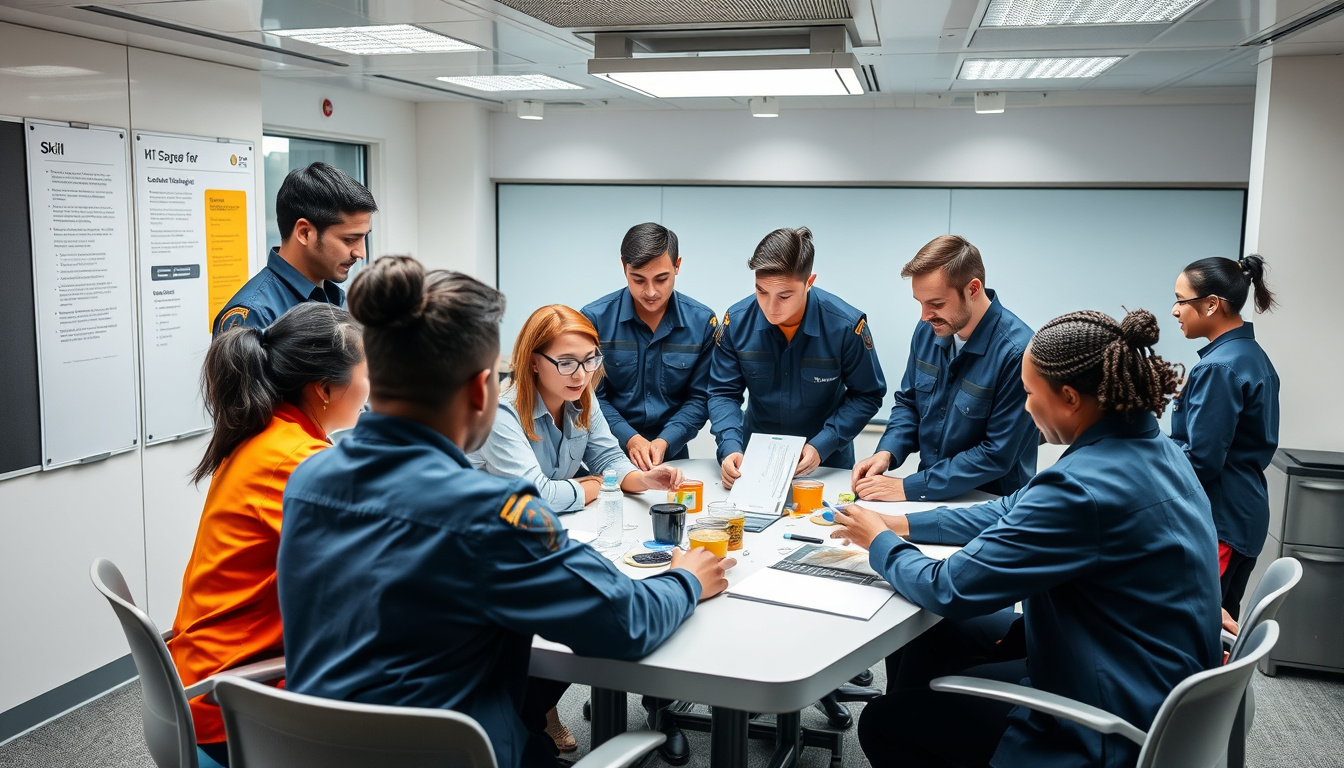
Understanding the behavioral patterns and threat indicators that emerge in everyday situations aboard cruise ships is a critical aspect of the Security Awareness Training for All Seafarers (PSA/VPWOSR). This specialized training encapsulates Proficiency in Security Awareness (PSA) and focuses on Vessel Personnel Without Security Responsibilities (VPWOSR), equipping crew members with the ability to identify and respond to security threats effectively. Participants learn to observe subtle behavioral cues and anomalies, such as unusual passenger interactions or unauthorized access attempts that might indicate a potential security breach. Engaging in practical scenarios during training helps solidify the importance of vigilance in maintaining shipboard safety. By honing these skills, crew members can significantly enhance cruise ship security by being proactive in identifying risks before they escalate. The insights gained from behavior analysis not only foster a culture of safety but also empower seafarers to act confidently in safeguarding their vessel and fellow crew members.

About Virtual Maritime Academy

Virtual Maritime Academy is a global leader in online maritime education and training, offering courses designed to meet the evolving needs of the shipping industry. As a DNV Certified Maritime Training Provider with CPD accreditation, we deliver cutting-edge programs that prepare seafarers and maritime professionals for todayโ€™s and tomorrowโ€™s challenges. ๐ŸŒŠโš“

Security MARSEC Levels Explained: What Cruise Crew Must Understand in the PSA Course

In the cruise industry, security is not just a responsibilityโ€”it’s a shared commitment among all crew members to ensure the safety of passengers and the vessel itself. Understanding different security levels is critical for effective cruise ship operations, as even a minor security lapse can have severe implications. The Proficiency in Security Awareness (PSA) course, a pivotal element of seafarer security awareness, equips crew membersโ€”including those not directly responsible for securityโ€”with vital knowledge about these levels. This article delves into the importance of understanding security levels in the maritime environment, key concepts that cruise crew must grasp, and how the PSA course shapes their approach to onboard security. From practical insights to best practices, weโ€™ll explore the critical role each crew member plays in maintaining robust security measures on board.

Learn More About our PSA Online Course Here!

Key Takeaways

  • Understanding security levels is crucial for cruise crew to ensure safety at sea.
  • Key concepts include threat identification, risk assessment, and emergency response planning.
  • The PSA course equips crew members with the knowledge to navigate various security levels effectively.
  • Crew members should regularly practice and update security protocols to adapt to changing threats.
  • Maintaining onboard security relies on teamwork, vigilance, and adherence to best practices.

Introduction to Security Levels in the Cruise Industry

In the cruise industry, understanding security levels is crucial for all personnel, particularly those involved in security awareness training. Through the Proficiency in Security Awareness (PSA) course, cruise ship crew members learn about the various security levels established by the International Ship and Port Facility Security (ISPS) Code. Security levels are categorized into three distinct tiers: Level 1, where normal security measures are in place; Level 2, which necessitates increased vigilance due to heightened threat perception; and Level 3, requiring stringent security measures due to an imminent threat of a security incident. The PSA/VPWOSR (Vessel Personnel Without Security Responsibilities) course is designed to equip seafarers with the essential knowledge and skills to recognize and respond appropriately to these security levels, fostering a culture of safety and vigilance among all crew members. Understanding security levels is not just a regulatory requirement; it is an indispensable aspect of maintaining safe cruise environments, protecting the ship, passengers, and crew alike.

Key Security Concepts for Cruise Crew

Understanding security levels is fundamental for cruise crew members enrolled in the PSA/VPWOSR course, as it lays the groundwork for effective seafarer security awareness. The International Ship and Port Facility Security (ISPS) Code classifies security into varying levels, which dictate the required measures and responses to potential threats. At Security Level 1, the standard operating procedures are in place, and the ship operates under normal security conditions. Security Level 2 is implemented when there is a heightened risk of a security incident, prompting crew members to take additional precautions, such as monitoring access points more closely. Finally, Security Level 3 indicates a serious threat, requiring urgent and decisive action to ensure safety. Cruise ship security training emphasizes the importance of recognizing these levels and adapting responses appropriately. By grasping these concepts, seafarers can significantly contribute to a safe cruising environment, reinforcing their vital role in maintaining the ship’s overall security posture.

Learn More About our PSA Online Course Here!

The Role of the PSA Course in Understanding Security Levels

Understanding security levels is paramount for all cruise ship crew members participating in the PSA/VPWOSR course. The PSA, or Proficiency in Security Awareness, serves as a vital foundation for seafarer security awareness, highlighting the importance of recognizing and responding to potential security threats. In the PSA course, crew members learn to differentiate between various security levels established by the International Ship and Port Facility Security (ISPS) Code. These MARSEC levels โ€“ ranging from level 1 (normal) to level 3 (exceptional) โ€“ dictate the measures and precautions that need to be taken onboard. By grasping these security levels, cruise crew can effectively contribute to a safer maritime environment, ensuring that preventive actions are taken and that they are always alert to any unusual activities. Ultimately, embracing the teachings of the PSA course empowers cruise ship staff to be proactive in fortifying shipboard security, which is crucial in todayโ€™s evolving maritime landscape.

Best Practices for Maintaining Security on Board

Effective cruise ship security training is vital for ensuring the safety of passengers and crew alike. One key aspect of this training involves understanding the Security Levels Explained in the PSA/VPWOSR course, which provides essential guidance for maintaining security on board. As part of their seafarer security awareness training, cruise crew members must familiarize themselves with the different security levels โ€” Level 1 (normal conditions), Level 2 (heightened risk of security incident), and Level 3 (immediate and urgent threats). Understanding these levels equips crew members to respond correctly based on the current threat environment, reinforcing their capability to act swiftly and effectively in various situations. For instance, during Level 2 conditions, crew members could implement additional access control measures, enhance monitoring of passenger movements, and ensure familiarization drills are conducted. By incorporating these best practices from the PSA/VPWOSR course into their daily operations, crew members not only contribute to a safer environment but also embody the proactive attitude necessary for comprehensive shipboard security management.

About Virtual Maritime Academy

Virtual Maritime Academy is a global leader in online maritime education and training, offering courses designed to meet the evolving needs of the shipping industry. As a DNV Certified Maritime Training Provider with CPD accreditation, we deliver cutting-edge programs that prepare seafarers and maritime professionals for todayโ€™s and tomorrowโ€™s challenges. ๐ŸŒŠโš“

Devices & Dangerous Substances: PSA Course Insights

The maritime industry plays a crucial role in global trade and travel, making the safety and security of every vessel paramount. As cruise ship crew members, understanding the protocols and training required for managing dangerous substances and devices is essential. This is where the Proficiency in Security Awareness (PSA) Course becomes invaluable. In this article, we will delve into the various aspects covered in the PSA course related to devices and dangerous substances, outline the types of devices addressed, provide best practices for safe handling and use, and emphasize the importance of regulatory compliance and safety standards. By enhancing your knowledge in these areas, you contribute to a safer and more secure maritime environment.

Learn More About our PSA Online Course Here!

Key Takeaways

  • The PSA course highlights the importance of recognizing and understanding dangerous substances.
  • Various types of devices covered in the course include those that handle, store, and transport hazardous materials.
  • Best practices for safe handling emphasize proper training and equipment use to minimize risks.
  • Regulatory compliance is essential to ensure safety standards are met when working with dangerous substances.
  • Continual education and awareness are crucial for maintaining safety in environments dealing with hazardous devices.

Understanding Dangerous Substances

In the realm of cruise ship operations, understanding how to manage devices & dangerous substances is a critical component of ensuring shipboard safety. Within the context of the Proficiency in Security Awareness (PSA) course, seafarers gain vital insights into recognizing and responding to potential hazards posed by various substances on board. This training equips crew members with the knowledge to identify suspicious items and materials, respond appropriately to potential threats, and maintain vigilance in all areas of their work environment. Participants learn about the safe handling of dangerous substances, including chemicals and flammable materials, emphasizing how even everyday items can become security risks in the wrong hands. By fostering a culture of security awareness among ship personnel, the PSA course effectively prepares crew members to act proactively in safeguarding passengers and fellow staff, ultimately enhancing overall cruise ship security training protocols.

Types of Devices Covered in the PSA Course

When it comes to security awareness aboard cruise ships, understanding Devices & Dangerous Substances: PSA Course Insights is crucial for all crew members. The PSA/VPWOSR (Proficiency in Security Awareness/Vessel Personnel Without Security Responsibilities) course encompasses a comprehensive overview of various devices that could pose potential risks, as well as dangerous substances that crew may encounter. Participants will learn about surveillance systems, security alarms, and other security technology that enhance cruise ship security. In addition to understanding the operational aspects of these devices, crew members will also be trained to identify dangerous substances that could compromise safety, such as hazardous materials or items forbidden onboard. This knowledge equips seafarers to act decisively in emergency situations, thus reinforcing the ship’s overall security framework. By emphasizing the critical role that crew members play in recognizing and responding to these threats, the PSA course instills a strong sense of responsibility and vigilance among all personnel, ultimately contributing to a safer and more secure cruise experience for everyone on board.

Learn More About our PSA Online Course Here!

Best Practices for Safe Handling and Use

In the realm of cruise ship security training, understanding how to safely handle devices and dangerous substances is paramount for all personnel, particularly those enrolled in the PSA/VPWOSR course. This course, which stands for Proficiency in Security Awareness and Vessel Personnel Without Security Responsibilities, equips crew members with essential skills and knowledge to recognize security threats associated with hazardous materials on board. Best practices for safe handling include always securing substances in designated areas, using appropriate personal protective equipment, and being aware of emergency procedures in case of spills or exposure. Crew members must regularly participate in security awareness training to stay updated on the latest protocols and technologies that enhance maritime safety. By embracing these practices, seafarers not only contribute to a safer working environment but also reinforce the critical security culture aboard cruise ships, ensuring the well-being of passengers and crew alike.

Regulatory Compliance and Safety Standards

In the realm of maritime operations, especially aboard cruise ships, regulatory compliance and safety standards are non-negotiable elements that govern daily activities. The Proficiency in Security Awareness (PSA) course, tailored for Vessel Personnel Without Security Responsibilities (VPWOSR), is integral for all seafarers aiming to enhance their understanding of security protocols, particularly in relation to Devices & Dangerous Substances. This training empowers crew members by focusing on identifying potential security threats, managing dangerous substances effectively, and fostering an overall culture of safety. By equipping crew members with the knowledge to recognize illegal items and suspicious behavior, the PSA course ensures that every person on board, regardless of their role, plays a vital part in maintaining shipboard safety and security. Embracing these training insights is not just about compliance; it is about fostering a proactive approach to security that keeps passengers and staff safe while navigating through vast oceans.

About Virtual Maritime Academy

Virtual Maritime Academy is a global leader in online maritime education and training, offering courses designed to meet the evolving needs of the shipping industry. As a DNV Certified Maritime Training Provider with CPD and Transport Canada accreditation, we deliver cutting-edge programs that prepare seafarers and maritime professionals for todayโ€™s and tomorrowโ€™s challenges. ๐ŸŒŠโš“

Key Security Concepts Every Cruise Crew Member Learns in PSA / VPWOSR

Cruise ships are not just vacation vessels; they are complex floating cities that require strict security measures to protect everyone on board. As cruise ship crew members, understanding the intricacies of security protocols is vital. This is where the Proficiency in Security Awareness (PSA) and Vessel Personnel Without Security Responsibilities (VPWOSR) come in. These essential training programs equip crew members with the necessary skills and knowledge to recognize and respond effectively to various security challenges. In this article, we will delve into key security concepts every cruise crew member learns in PSA/VPWOSR training, ensuring you are well-prepared to contribute to shipboard safety and security.

Learn More About our PSA Online Course Here!

Key Security Concepts Every Cruise Crew Member Learns in PSA / VPWOSR

Key Takeaways

  • Security protocols are essential for the safety of cruise operations.
  • Crew members must be aware of potential threats and vulnerabilities at sea.
  • Emergency response procedures are critical for effective crew action during incidents.
  • Best practices for maintaining security onboard involve adherence to established guidelines.
  • Continuous training and awareness of security concepts enhance overall cruise safety.

Introduction to Security Protocols in Cruise Operations

In the ever-evolving world of maritime operations, the significance of robust security measures cannot be overstated, particularly in the bustling environment of cruise ships. The PSA/VPWOSR course, which stands for Proficiency in Security Awareness and Vessel Personnel Without Security Responsibilities, equips every crew member with essential knowledge and skills to enhance the overall security posture of the vessel. Key security concepts that every cruise crew member learns include identifying and reporting suspicious activities, understanding the ship’s security measures, and recognizing potential security threats. These foundational elements of seafarer security awareness not only bolster individual competency but also contribute to a collective culture of vigilance aboard cruise ships. By embracing this proactive approach to security training, crew members play a vital role in ensuring the safety of fellow passengers and the integrity of maritime operations.

Understanding Threats and Vulnerabilities at Sea

Understanding the various threats and vulnerabilities at sea is a fundamental aspect of the Security Awareness Training for All Seafarers (PSA/VPWOSR) course. This training equips cruise ship crew members with vital knowledge about potential security risks and the effective measures to counteract them. Key security concepts covered in the PSA/VPWOSR course emphasize the importance of recognizing unauthorized access, understanding the significance of access control, and identifying suspicious behavior. Crew members learn how to detect potential security breaches and the appropriate protocols for reporting them. Practical exercises and real-world scenarios reinforce these concepts, ensuring that every member of the crew is prepared to act swiftly and effectively in various situations. As cruise ship security training highlights, fostering a culture of vigilance and accountability among all staff, regardless of their designated security roles, enhances overall safety, making it imperative for all personnel there to be well-versed in these key concepts.

Learn More About our PSA Online Course Here!

Emergency Response Procedures for Crew Members

As part of the PSA/VPWOSR course, cruise ship crew members engage deeply with key security concepts that are vital for maintaining a safe environment on board. Understanding emergency response procedures is a critical aspect of this training. Crew members gain insights into identifying potential security threats and taking immediate action to mitigate them. They learn vital techniques such as conducting thorough security checks, recognizing suspicious behavior, and following the correct reporting protocols during emergencies. This hands-on training not only prepares crew members for potential crises but also reinforces their essential role in upholding security protocols. By mastering these key concepts, every crew member enhances their ability to contribute effectively to shipboard safety, ensuring a secure experience for all passengers and staff.

Best Practices for Maintaining Security Onboard

Maintaining security onboard cruise ships is of paramount importance, and every crew member plays a vital role in this effort. Through the Proficiency in Security Awareness (PSA) and Vessel Personnel Without Security Responsibilities (VPWOSR) courses, crew members are equipped with essential skills and knowledge to enhance seafarer security awareness. These courses cover key security concepts that all cruise crew members should understand, including recognizing suspicious behavior, implementing access control measures, and effectively responding to security threats. Additionally, crew members learn the significance of maintaining situational awareness and reporting potential security breaches immediately. By embracing these cruise ship security training principles, crew members contribute significantly to the overall safety of passengers and fellow staff, ultimately fostering a secure onboard environment. Adhering to best practices, such as conducting regular security drills and staying informed on the latest maritime security guidelines, ensures that all personnel are prepared to handle any situations they may encounter, reinforcing the cruise industryโ€™s commitment to security and safety.

About Virtual Maritime Academy

Virtual Maritime Academy is a global leader in online maritime education and training, offering courses designed to meet the evolving needs of the shipping industry. As a DNV Certified Maritime Training Provider with CPD and Transport Canada accreditation, we deliver cutting-edge programs that prepare seafarers and maritime professionals for todayโ€™s and tomorrowโ€™s challenges. ๐ŸŒŠโš“

From Theory to Practice: Applying PSA Training During a Cruise Voyage

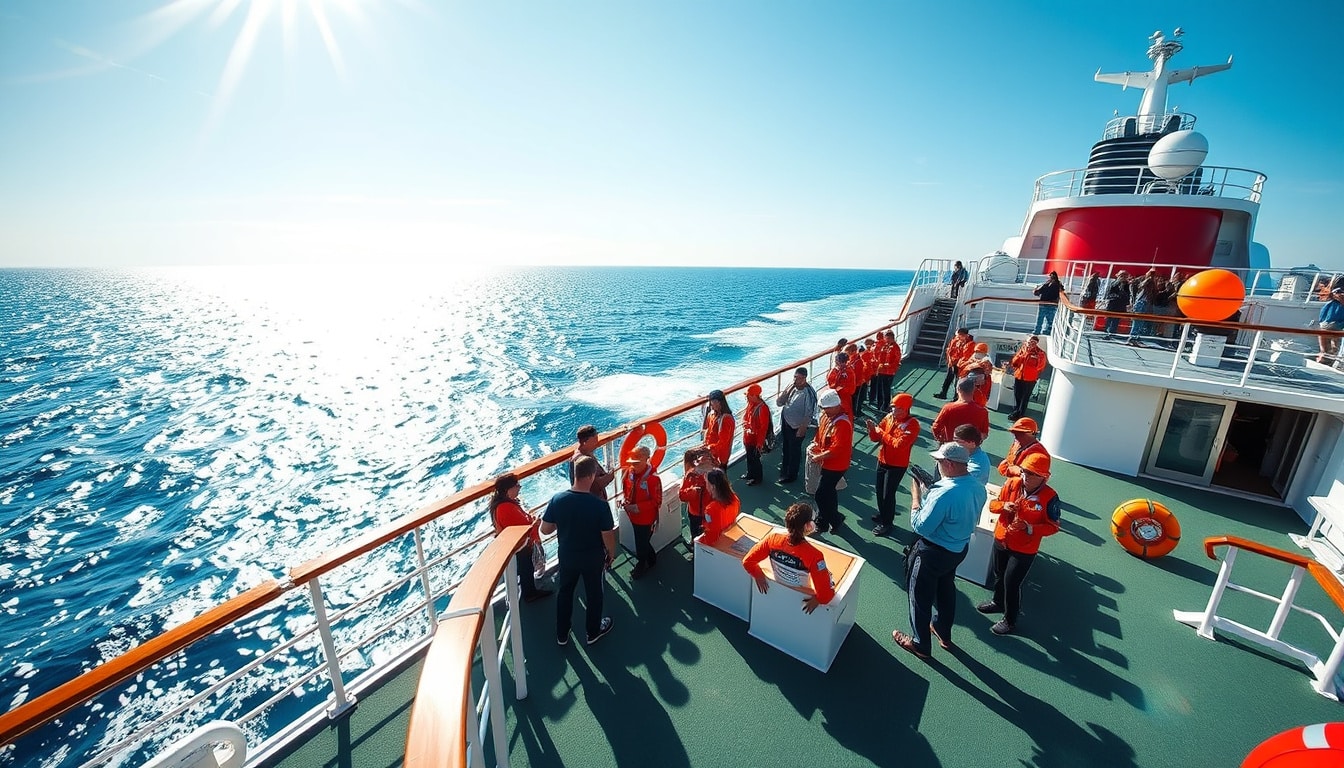
Cruise ships are floating cities, that offer unparalleled experiences to guests from around the world. Behind this enchanting facade lies a crucial element that ensures the smooth sailing of the entire operation: security awareness. For cruise ship crew members, understanding and applying Proficiency in Security Awareness (PSA) training is not just a regulatory requirement but a key ingredient in maintaining the safety and security of the vessel and its passengers. In this article, we will delve into the significance of applying PSA training effectively during a cruise voyage, exploring how maritime professionals can transition theoretical knowledge into practice, examine real-world case studies of successful implementations, and ultimately evaluate the profound impact of PSA training on the safety of crew and guests alike.

Learn More About our PSA Online Course Here!

From Theory to Practice: Applying PSA Training During a Cruise Voyage

Key Takeaways

  • PSA training is essential for enhancing safety protocols in maritime settings.
  • Practical implementation of PSA training during cruise voyages can significantly improve emergency response efficiency.
  • Real-life case studies demonstrate the effectiveness of PSA training in preventing incidents at sea.
  • Feedback from crew members highlights the importance of practical training in boosting confidence and preparedness.
  • Evaluating the impact of PSA training showcases its positive influence on overall safety for both crew and passengers.

Understanding PSA Training in Maritime Contexts

Understanding PSA Training in Maritime Contexts

In the ever-evolving landscape of maritime safety, the importance of Proficiency in Security Awareness (PSA) training cannot be overstated, particularly for cruise ship crew members. The PSA/VPWOSR course is designed to equip vessel personnelโ€”especially those without formal security responsibilitiesโ€”with the critical knowledge and skills needed to identify and respond to security threats effectively. From theory to practice: applying PSA training during a cruise voyage is essential for maintaining a safe environment for both crew and passengers. Crew members must recognize that even activities such as passenger boarding, baggage checks, and onboard events can present security challenges. By actively leveraging their PSA training, seafarers can monitor suspicious behaviors, report security breaches, and ensure adherence to safety protocols. This proactive approach not only enhances individual skill sets but ultimately contributes to a culture of vigilance and safety aboard the cruise ship. Investing time in mastering the principles learned from the PSA/VPWOSR course transforms theoretical knowledge into practical actions that bolster cruise ship security. Understanding one’s role in this framework is vital for the safety and security of all onboard, making every crew member a key player in the maritime security ecosystem.

The Importance of Practical Implementation on Cruise Voyages

The importance of practical implementation on cruise voyages cannot be overstated, particularly when it comes to enhancing cruise ship security training. Understanding how to transition from theory to practice is crucial for crew members who have undergone the Proficiency in Security Awareness (PSA) and Vessel Personnel Without Security Responsibilities (VPWOSR) course. This training provides a strong foundation in security awareness, but it’s the real-world application that solidifies that knowledge. Throughout a cruise voyage, crew members are often the first line of defense against potential security threats. By applying skills learned in PSA trainingโ€”such as identifying suspicious behavior, understanding the significance of access control, and knowing how to report security incidentsโ€”crew members can effectively contribute to maintaining a safe environment for passengers and fellow staff. For instance, during embarkation and disembarkation processes, crew should be vigilant and attuned to any irregularities, ensuring that proper security protocols are adhered to. This practical application not only reinforces the importance of seafarer security awareness but also fosters a culture of safety onboard, which is paramount in today’s maritime industry.

‘The only way to do great work is to love what you do.’ – Steve Jobs

Learn More About our PSA Online Course Here!

Case Studies: Successful Applications of PSA Training

In the maritime industry, the effective implementation of Proficiency in Security Awareness (PSA) training is essential for maintaining the safety and security of cruise ships. One remarkable case study demonstrating the application of PSA training during a cruise voyage involved a vessel operating in vulnerable waters known for piracy threats. Crew members who participated in the PSA/VPWOSR course were equipped with the skills needed to recognize potential threats and suspicious behavior among passengers and crew. For instance, during one voyage, a crew member spotted an individual attempting to access restricted areas using a fake staff ID. Utilizing their PSA training, the crew member promptly reported the incident, enabling security personnel to respond effectively and mitigate any potential risk. This incident highlighted how proactive seafarer security awareness not only protects the crew and passengers onboard but also ensures smooth operations throughout the journey. By integrating theoretical knowledge from the PSA training into practical scenarios, cruise ship crew members can uphold a secure environment, thereby reinforcing the importance of security awareness training as a pivotal component of maritime safety.

Evaluating the Impact of PSA Training on Crew and Passenger Safety

Evaluating the impact of PSA (Proficiency in Security Awareness) training on crew and passenger safety is crucial for the maritime industry. From theory to practice: applying PSA training during a cruise voyage not only enhances the crew’s understanding of security protocols but also equips them with the skills necessary to respond effectively to potential threats. This training emphasizes the importance of recognizing suspicious behavior, reporting incidents promptly, and understanding the roles each crew member plays in ensuring the safety and security of everyone onboard. By actively implementing the principles learned in the PSA/VPWOSR (Vessel Personnel Without Security Responsibilities) course, crew members become integral to the ship’s security strategy, thereby fostering a safer environment for passengers and fellow staff. Practical applications might include conducting security drills, sharing insights on real-world security incidents, and reinforcing the significance of vigilance at all times, ultimately transforming theoretical knowledge into actionable safety measures.

About Virtual Maritime Academy

Virtual Maritime Academy is a global leader in online maritime education and training, offering courses designed to meet the evolving needs of the shipping industry. As a DNV Certified Maritime Training Provider with CPD and Transport Canada accreditation, we deliver cutting-edge programs that prepare seafarers and maritime professionals for todayโ€™s and tomorrowโ€™s challenges. ๐ŸŒŠโš“

How Taking the PSA Course Strengthens Your Crew Role (Even If Youโ€™re Not a Security Officer)

In the ever-evolving world of maritime travel, security awareness has become an indispensable part of life on cruise ships. Crew members at all levels play a crucial role in maintaining the integrity and safety of their vessels. While security officers may bear the primary responsibility for implementing security measures, the importance of security training cannot be overstated for every crew member. This is where the Security Awareness (PSA) Course comes into play. This article explores how taking the PSA course strengthens your crew role, fostering a culture of security throughout the ship, regardless of your official position.

Learn More About our Security Awareness Online Course Here!

How Taking the PSA Course Strengthens Your Crew Role (Even If Youโ€™re Not a Security Officer)

Key Takeaways

  • The PSA Course equips crew members with vital skills that enhance overall team effectiveness.
  • Understanding key objectives of the PSA Course can lead to better communication and collaboration among all roles.
  • Crew members who complete the PSA Course report improved confidence and responsibility in their positions.
  • Practical applications from the PSA Course help crew members contribute to safety and security beyond traditional roles.
  • Real-life testimonials highlight the positive impact of the PSA Course on crew dynamics and individual professional growth.

Understanding the PSA Course: Key Objectives and Benefits

In the ever-evolving world of maritime operations, cruise ship security training has become essential for all crew members, not just security personnel. The PSA (Security Awareness) course is designed to empower every seafarer, educating them on best practices for maintaining shipboard safety and security. One of the key objectives of the PSA course is to enhance individual awareness of potential security threats, enabling crew members to recognize suspicious behavior and respond appropriately. This proactive approach is vital as crew members often encounter diverse situations that could compromise safety, from stowaways to external threats. Importantly, how taking the PSA course strengthens your crew roleโ€”even if youโ€™re not a security officerโ€”lies in its ability to instill a security-conscious culture onboard. By participating in this training, all crew members can contribute to a safer working environment, fostering a team mentality devoted to vigilance and readiness. Those who complete the seafarer security awareness course not only gain valuable skills and knowledge but also strengthen their position as integral members of the maritime community, ultimately ensuring the security and peace of mind of both passengers and colleagues.

Enhancing Team Dynamics: The Role of Crew Members Beyond Security

In the world of cruise ship operations, the importance of security awareness extends well beyond the specific duties of security personnel. All crew members can significantly contribute to maintaining a safe environment onboard, making a seafarer security awareness courseโ€”such as the Ship Security Awareness (PSA) courseโ€”essential for everyone. By participating in this training, even non-security officers can enhance their understanding of potential threats, recognize suspicious behaviors, and develop an instinct for vigilance. This not only bolsters individual confidence but also fosters a collaborative atmosphere where crew members actively communicate and respond to security concerns together. When everyone is equipped with the knowledge and skills from cruise ship security training, it enhances teamwork, strengthens communication, and ultimately creates a safer cruise experience for both staff and guests alike. Embracing this shared responsibility lays the groundwork for a culture of proactive security, where each member plays a pivotal role in safeguarding the ship.

Learn More About our Security Awareness Online Course Here!

Practical Applications: Skills Acquired from the PSA Course

Security Awareness Training for All Seafarers is essential for maintaining a safe and secure environment aboard cruise ships. The Security Awareness (PSA) course is designed to equip crew members with vital skills that enhance their role in maritime security, regardless of their specific job title. By undertaking the PSA course, every crew member learns to recognize potential security threats, implement emergency procedures, and respond effectively in crisis situations. Not only does this prepare individuals to act decisively during incidents, it also fosters a collective sense of responsibility among the crew, as everyone plays a crucial part in safeguarding the vessel. For instance, a bar staff member trained in cruise ship security training can identify suspicious behavior amidst passengers and alert appropriate authorities, potentially thwarting security breaches. This collaborative approach strengthens the entire crew’s ability to function as an integrated unit focused on the shipโ€™s safety. Whether you are a steward, chef, or deckhand, investing your time in a seafarer security awareness course ultimately fortifies your role within the team, enhancing overall shipboard safety and security.

Real-Life Testimonials: Crew Experiences and Strengthened Roles

Crew members aboard cruise ships often wear many hats, and their responsibilities extend beyond their specific job descriptions. One of the most impactful ways to enhance a crew memberโ€™s role is through effective cruise ship security training, particularly by enrolling in a Ship Security Awareness (PSA) course. How taking the PSA course strengthens your crew role (even if youโ€™re not a security officer) has been illustrated powerfully through real-life testimonials from those who have participated in the training. For instance, a crew member in guest services shared that after completing the course, they felt more confident in addressing potential security risks and could spot suspicious behavior among passengers. This awareness not only improved their performance but also empowered them to contribute actively to the safety and security of the ship. Another crew member, working as a steward, noted that understanding the principles of ship security helped them better communicate with their colleagues and lead small safety drills, ensuring preparedness for various scenarios. These testimonials underscore a fundamental truth: every crew member plays a crucial role in establishing a secure environment on board. With proactive participation in seafarer security awareness courses, crew members cultivate a culture of vigilance that goes beyond mere compliance; it creates an atmosphere where safety is prioritized and everyone feels responsible.

Unlocking the PSA Course: What Cruise Crew Need to Know Before Starting

The maritime industry is facing a transformative era where the importance of security cannot be overstated, especially on cruise ships. For cruise crew members looking to enhance their skills and mitigate security risks, the PSA, Security Awareness course stands out as a crucial training opportunity. This article will delve into the key elements of the course, including its requirements, essential skills, and post-course benefits, providing cruise crew with a comprehensive guide to unlock the full potential of this training.

Learn More About our Security Awareness Online Course Here!

Unlocking the PSA/VPWOSR Course: What Cruise Crew Need to Know Before Starting

Key Takeaways

  • The PSA course is essential for cruise crew to meet industry standards.
  • Key skills include safety protocols, emergency response, and guest service excellence.
  • Success in the course depends on effective study habits and active participation.
  • Completion of the course opens doors to advanced career opportunities in the cruise industry.
  • Certification from the PSA course enhances professional credibility and marketability.

Understanding the PSA Course Requirements

For cruise ship crew members aiming to enhance their qualifications and effectiveness in maintaining shipboard safety, understanding the PSA course requirements is vital. Unlocking the PSA Course: What Cruise Crew Need to Know Before Starting outlines the essential elements needed for successful completion of this comprehensive training. The course focuses on personal security awareness and aims to equip seafarers with the skills to identify, address, and mitigate potential security threats onboard. Participants will learn about current security protocols, the importance of vigilance, and the techniques for reporting suspicious activities. By completing this course, crew members not only fulfill regulatory requirements but also greatly contribute to the overall security of the vessel. Engaging with this training empowers crew members, ensures they are well-prepared to handle emergencies, and reinforces their critical role in protecting both passengers and fellow crew members.

Key Skills and Knowledge Areas for Cruise Crew

When it comes to ensuring the safety and security aboard a cruise ship, understanding the key skills and knowledge areas outlined in the Security Awareness (PSA) and Vessel Personnel without Designated Security Responsibilities (VPWOSR) courses is essential for all cruise crew members. Unlocking these critical training modules can help crew members perform their roles effectively within the broader framework of cruise ship security training. Crew members will need to hone their abilities in identifying and responding to potential security threats, assessing risks, and implementing preventive measures. Additionally, training equips crew with vital knowledge about the International Ship and Port Facility Security (ISPS) Code, which outlines measures for protecting passengers, crew, and the ship itself from unlawful acts. Engaging in the seafarer security awareness course not only boosts individual confidence but also enhances the collective security posture of the entire vessel. By mastering these skills and understanding their importance, crew members can significantly contribute to maintaining a secure environment, ensuring that passengers enjoy a safe cruising experience.

Learn More About our Security Awareness Online Course Here!

Tips for Success in the PSA/VPWOSR Course

Unlocking the PSA Course: What Cruise Crew Need to Know Before Starting offers valuable insights for all cruise ship professionals preparing for the Security Awareness (PSA) and the Vessel Personnel without Security Responsibilities (VPWOSR) courses. Firstly, understanding the objectives and scope of these training modules is essential. The PSA course focuses on the roles and responsibilities of maritime personnel in recognizing and responding to security threats. Itโ€™s important to familiarize yourself with key concepts such as risk assessment, the importance of vigilance, and the protocols for reporting suspicious behavior. Additionally, engaging in practical scenarios that mimic real-world applications will enhance your knowledge retention. Collaboration with fellow trainees during group discussions can also provide diverse perspectives and deeper insights. Remember, completing these courses is not merely a regulatory requirement but a pivotal step in fostering a culture of security awareness on board, ensuring the safety of all passengers and crew. Embrace these opportunities as vital components of your career development and contributions to maritime safety.

Post-Course Opportunities and Certification Benefits

As members of the cruise ship crew, understanding the intricacies of security awareness is paramount to maintaining safety on board. One valuable resource for enhancing your knowledge is the PSA course, designed specifically for seafarers eager to elevate their security skills. This course equips crew members with the knowledge needed to recognize potential security threats and respond effectively, ultimately protecting both passengers and fellow team members. Upon successful completion, certification offers significant benefits, including increased employability and potential advancement within the maritime industry. By unlocking the PSA course, cruise crew not only enhance their security awareness but also ensure compliance with international maritime regulations, demonstrating a commitment to safety that is highly regarded by employers. As you embark on this educational journey, remember that your role in shipboard security is not just about compliance; it’s about creating a culture of vigilance and responsiveness that every crew member contributes to on a daily basis.

Company Security Officer (CSO) Training: Lead Maritime Security with Confidence

In todayโ€™s increasingly complex maritime environment, ensuring the safety and security of vessels, ports, and personnel is more critical than ever. The role of a Company Security Officer (CSO) is pivotal in maintaining comprehensive maritime security and compliance with international regulations. With the right training, a CSO can lead their organization in making informed decisions, developing efficient security protocols, and responding proactively to potential threats. This article will explore the essential components of Company Security Officer (CSO) training and how it empowers maritime professionals to lead maritime security with confidence.

Learn more about our Courses here!

Company Security Officer (CSO) Training: Lead Maritime Security with Confidence

Key Takeaways

  • Company Security Officers are essential for maintaining maritime safety and security.
  • Effective CSOs must possess a range of key skills, including risk assessment and crisis management.
  • A comprehensive training program is vital for preparing CSOs to handle diverse security challenges.
  • Implementing best practices helps ensure that established security standards are consistently maintained.
  • Continuous evaluation and improvement of training programs drive better security outcomes in maritime operations.

Understanding the Role of a Company Security Officer

In today’s complex and increasingly globalized world, the role of a Company Security Officer (CSO) has never been more critical. A CSO is responsible for overseeing the security protocols and measures within a maritime organization, ensuring the safety of personnel, assets, and operations. To effectively fulfill these responsibilities, undergoing comprehensive Company Security Officer (CSO) training is essential. This specialized training provides CSOs with the knowledge and skills required to identify potential security threats, develop effective security plans, and implement industry best practices. As maritime security continues to evolve, CSO training empowers officers to lead with confidence, addressing emerging challenges and ensuring compliance with international regulations. Investing in such training not only enhances the security framework of a maritime company but also boosts the overall safety and performance of its operations.

Key Skills and Competencies for Effective Maritime Security

In today’s complex maritime landscape, the role of a Company Security Officer (CSO) has never been more pivotal. CSO Training equips professionals with the essential skills and competencies needed to navigate the challenges of maritime security effectively. Key skills include threat assessment, which enables CSOs to identify vulnerabilities within their operations, as well as risk management, which involves developing strategies to mitigate potential threats. Furthermore, effective communication and leadership skills are crucial, as CSOs must collaborate with various stakeholders, including crew members and regulatory authorities, to ensure compliance with international maritime security standards. The training also emphasizes the importance of crisis management, ensuring that CSOs can lead their teams with confidence during unexpected incidents. By harnessing these skills through comprehensive training programs, maritime security professionals can enhance their operational effectiveness and safeguard their vessels against diverse security threats.

Learn more about our Courses here!

Developing a Comprehensive Training Program

Developing a Comprehensive Training Program for Company Security Officers (CSOs) is crucial for organizations operating in maritime environments. With the increasing threat landscape, CSO Training: Lead Maritime Security with Confidence becomes an essential focus for companies striving to safeguard their assets and personnel at sea. A well-structured training program should encompass key areas such as risk assessment, emergency response, and regulatory compliance, ensuring CSOs are equipped with the necessary skills and knowledge to manage security threats effectively. By incorporating hands-on simulations, workshops, and access to online resources, organizations can foster an engaging learning environment that prepares CSOs to lead with authority and assurance. Ultimately, investing in a robust training program not only enhances the security posture of the company but also builds a culture of safety and vigilance among all employees.

Best Practices for Implementing and Maintaining Security Standards

In today’s ever-evolving maritime industry, the role of a Company Security Officer (CSO) is critical in ensuring the safety and security of vessels and personnel. Implementing and maintaining robust security standards is essential for any organization looking to protect its assets from potential threats. First and foremost, investing in comprehensive Company Security Officer (CSO) training is a best practice that equips individuals with the knowledge and skills needed to lead maritime security operations with confidence. This training should cover various aspects, including risk assessment, emergency response plans, and compliance with international security regulations such as the ISPS Code. Additionally, fostering a culture of security within the organization is vital; regular drills and updates on security protocols can enhance awareness and preparedness among crew members. Furthermore, the CSO should establish clear communication channels to ensure timely reporting of any security incidents, allowing for swift action and mitigation. By adapting these best practices and emphasizing the importance of ongoing training and effective communication, organizations can maintain high security standards and safeguard their maritime operations against potential threats.

About Virtual Maritime Academy

Virtual Maritime Academyย is a leading provider of online maritime education and training, offering a wide range of courses designed to meet the needs of the global maritime industry. With a commitment to quality and innovation, Virtual Maritime Academy is dedicated to preparing seafarers and maritime professionals for success in their careers. Now aย DNV Certified Maritime Training Provider, the academy upholds the highest standards of excellence in training and education.

Achieve Proficiency in Security Awareness (PSA)โ€”Globally Accepted Certification

In todayโ€™s digital landscape, where cyber threats are more sophisticated than ever, achieving proficiency in security awareness is no longer optionalโ€”it’s a necessity. The Proficiency in Security Awareness (PSA) Certification is a globally recognized credential designed to equip individuals and organizations with the knowledge and skills needed to navigate the ever-evolving security environment. In this article, we will explore the importance of security awareness, provide an overview of the PSA certification, discuss the benefits of securing this globally accepted certification, and outline the steps you can take to achieve and maintain proficiency in security awareness.

Learn more about our Courses here!

Achieve Proficiency in Security Awareness (PSA)โ€”Globally Accepted Certification

Key Takeaways

  • Security awareness is crucial for protecting organizations from cyber threats.
  • The Proficiency in Security Awareness (PSA) certification is widely recognized globally.
  • Earning a PSA certification enhances career opportunities and credibility in the security field.
  • Achieving PSA certification involves a structured process and ongoing learning.
  • Maintaining proficiency in security awareness is essential for adapting to evolving threats.

Understanding the Importance of Security Awareness

In an increasingly digital world, understanding the importance of security awareness is paramount for individuals and organizations alike. To effectively protect sensitive information and mitigate risks associated with cyber threats, it is essential to not only recognize potential vulnerabilities but also to actively engage in ongoing education. One way to achieve proficiency in security awareness is by obtaining a Globally Accepted Certification known as PSA (Proficiency in Security Awareness). This certification equips candidates with the necessary skills to identify threats, implement best practices, and foster a culture of security within their teams. By investing in training that culminates in the PSA certification, organizations can establish a robust defense against cyber incidents and ensure that all employees are aligned with the latest security protocols, ultimately enhancing their overall security posture.

Overview of the Proficiency in Security Awareness (PSA) Certification

The Proficiency in Security Awareness (PSA) Certification is a globally accepted credential designed to enhance individuals’ understanding and capabilities in maintaining security within various environments. As cyber threats and data breaches continue to rise, organizations are increasingly prioritizing security awareness among their employees. By obtaining the PSA certification, individuals not only achieve proficiency in security awareness but also equip themselves with essential skills to identify, respond to, and mitigate potential security risks. This certification program covers critical topics such as phishing, social engineering, data protection, and compliance requirements, making it an invaluable asset for professionals in all industries. With the PSA certification, participants can demonstrate their commitment to fostering a culture of security in their workplace, thus enhancing their career prospects and contributing to their organization’s resilience against cyber threats.

Learn more about our Courses here!

Benefits of Earning a PSA Certification Globally

Earning a PSA Certification, or Proficiency in Security Awareness, is a significant milestone for professionals seeking to enhance their expertise in security protocols. This globally accepted certification not only validates an individualโ€™s knowledge but also equips them with the necessary skills to navigate the ever-evolving landscape of security risks. Among the primary benefits of obtaining a PSA certification is the increased employability it offers. Employers around the world recognize and respect this credential, making candidates stand out in a competitive job market. Additionally, the certification provides comprehensive training on the latest security trends and best practices, enabling professionals to safeguard their organizations effectively. With a PSA certification, individuals are positioned to lead security initiatives, promote a culture of awareness within their teams, and ultimately contribute to a safer work environment. Furthermore, holding this certification demonstrates a commitment to continuous professional development, which is highly valued in todayโ€™s dynamic job landscape. Overall, achieving proficiency in security awareness through the PSA certification can open doors to new career opportunities and enhance one’s professional reputation on a global scale.

Steps to Achieve PSA Certification and Maintain Proficiency

Achieving proficiency in security awareness (PSA)โ€”a globally accepted certificationโ€”demands a structured approach that involves several key steps. First, individuals should familiarize themselves with the foundational concepts of security awareness, including understanding potential threats, vulnerabilities, and best practices in cybersecurity. Enrolling in accredited training programs designed specifically for PSA certification is crucial; these programs often combine theoretical knowledge with practical exercises. After completing the required coursework, candidates must successfully pass the certification exam, which tests their understanding of security principles and their application in real-world scenarios. In addition to obtaining the certification, maintaining proficiency is essential. This can be accomplished through continuous education, participating in workshops, staying updated on emerging security trends, and regular recertification as required by the certifying body. By following these steps, professionals not only earn their PSA certification but also establish themselves as knowledgeable individuals in the field of security awareness. This commitment to ongoing learning is crucial in an ever-evolving cybersecurity landscape.

About Virtual Maritime Academy

Virtual Maritime Academyย is a leading provider of online maritime education and training, offering a wide range of courses designed to meet the needs of the global maritime industry. With a commitment to quality and innovation, Virtual Maritime Academy is dedicated to preparing seafarers and maritime professionals for success in their careers. Now aย DNV Certified Maritime Training Provider, the academy upholds the highest standards of excellence in training and education.

Certified Port / Marine Facility Security Officer (PFSO/MFSO): Ensuring Port Safety Around the World

In todayโ€™s interconnected world, the safety and security of ports and marine facilities are paramount. This is where the role of a Certified Port / Marine Facility Security Officer (PFSO/MFSO) becomes crucial. These professionals are at the forefront of protecting critical infrastructure and ensuring compliance with international regulations. In this article, we will explore the multifaceted role of PFSOs and MFSOs, discuss the international standards that govern port security, outline their key responsibilities and training requirements, and provide best practices for enhancing port safety globally.

Learn more about our Courses here!

Key Takeaways

  • A Certified Port/Marine Facility Security Officer (PFSO/MFSO) plays a crucial role in safeguarding port operations.
  • International standards and regulations provide a framework for effective port security management.
  • Key responsibilities of a PFSO/MFSO include risk assessment, security planning, and emergency response coordination.
  • Training for PFSOs/MFSOs emphasizes knowledge of security protocols and the ability to implement safety measures.
  • Adopting best practices is essential for enhancing overall port safety and security effectiveness.

Understanding the Role of a PFSO/MFSO

In todayโ€™s complex maritime security landscape, the role of a Certified Port / Marine Facility Security Officer (PFSO/MFSO) is pivotal in ensuring port safety around the world. These professionals are tasked with the responsibility of developing and implementing security plans that align with international maritime regulations, including the International Ship and Port Facility Security (ISPS) Code. By conducting thorough risk assessments and maintaining constant vigilance, PFSOs and MFSOs play a crucial role in safeguarding against potential threats such as terrorism, smuggling, and piracy. Their duties extend beyond mere surveillance; they also involve coordination with local law enforcement, emergency responders, and various stakeholders to ensure a comprehensive approach to security. Furthermore, certified officers are instrumental in training port and facility personnel, fostering a culture of awareness and preparedness that is essential in todayโ€™s ever-evolving security environment. Ultimately, the expertise and proactive measures taken by PFSOs and MFSOs are vital for maintaining the integrity and safety of maritime operations globally.

International Standards and Regulations for Port Security

In todayโ€™s interconnected global economy, the security of international trade routes and port facilities is paramount, which is why various international standards and regulations have been established to govern port security. A Certified Port / Marine Facility Security Officer (PFSO/MFSO) plays a crucial role in maintaining this security. These professionals are trained to ensure compliance with high standards of safety and security protocols mandated by organizations such as the International Maritime Organization (IMO) and the International Ship and Port Facility Security Code (ISPS Code). Their responsibilities include conducting security assessments, developing security plans, and coordinating response actions to threats or incidents. By adhering to stringent international regulations, certified PFSOs and MFSOs help to mitigate risks, thereby fostering safer and more secure marine environments worldwide. This not only protects cargo and vessels but also reassures businesses and consumers, emphasizing the importance of effective port security measures for the global trade landscape.

Learn more about our Courses here!

Key Responsibilities and Training Requirements

The role of a Certified Port / Marine Facility Security Officer (PFSO/MFSO) is critical in safeguarding the security of ports and marine facilities worldwide. These professionals are tasked with implementing security measures, conducting risk assessments, and ensuring compliance with international security regulations. Key responsibilities include developing and maintaining security plans, managing access control, and training facility staff on emergency procedures. To become a certified PFSO/MFSO, candidates must undergo comprehensive training that covers various aspects of maritime security standards, threat assessment, and crisis management. This specialized training ensures that certified officers are well-equipped to handle potential security breaches and enhance overall port safety operations. In an industry that is integral to global trade, the expertise of PFSOs/MFSOs is essential for not only protecting ships and cargo but also for maintaining the integrity of the global supply chain.

Best Practices for Enhancing Port Safety

In today’s global trade environment, ensuring port safety is paramount, and the role of a Certified Port / Marine Facility Security Officer (PFSO/MFSO) is critical in achieving this goal. Best practices for enhancing port safety involve a multifaceted approach that includes rigorous training, regular security assessments, and the implementation of advanced technologies. The PFSO/MFSO is responsible for developing and overseeing the security plan, conducting drills with the port staff, and ensuring compliance with international maritime security standards. By focusing on risk management and creating a culture of safety among all personnel, ports can significantly mitigate threats such as smuggling or terrorism. Additionally, frequent collaboration with local law enforcement and maritime authorities ensures that ports are not only meeting regulatory requirements but are also at the forefront of maritime security innovation. In an age where global logistics are under constant scrutiny, the effectiveness of a Certified Port / Marine Facility Security Officer (PFSO/MFSO) lies in their proactive measures and commitment to fostering safe maritime environments worldwide.

About Virtual Maritime Academy

Virtual Maritime Academyย is a leading provider of online maritime education and training, offering a wide range of courses designed to meet the needs of the global maritime industry. With a commitment to quality and innovation, Virtual Maritime Academy is dedicated to preparing seafarers and maritime professionals for success in their careers. Now aย DNV Certified Maritime Training Provider, the academy upholds the highest standards of excellence in training and education.