
MARITIME SECURITY TRAINING
Proficiency in Security Awareness: The First Step in Maritime Security
Virtual Maritime Academy · ~4 min read · December 22, 2024
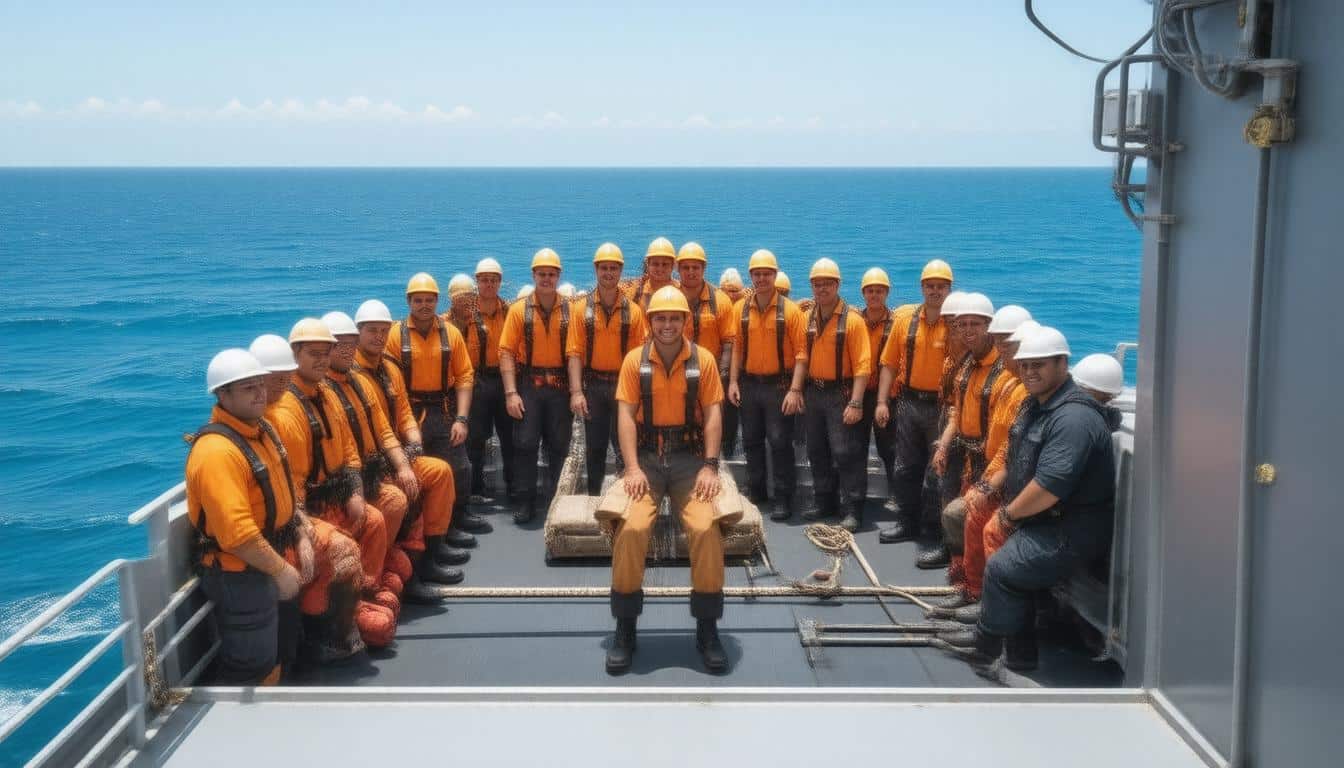
In the ever-evolving landscape of maritime operations, one element stands out as crucial for safeguarding vessels, cargo, and crews: Proficiency in Security Awareness: The First Step in Maritime Security. This principle underscores the need for every individual involved in maritime activities to recognize potential threats and effectively respond to them. As global trade expands and the maritime industry faces new challenges, understanding the importance of security awareness has become more critical than ever.
Key Takeaways
- Security awareness is essential for mitigating risks in maritime operations.
- Key threats to maritime security include piracy, terrorism, and cyber attacks, which can have devastating impacts.
- Effective security awareness training programs are critical for preparing maritime personnel to respond to threats.
- Creating a strong security culture within maritime environments promotes vigilance and accountability among crew members.
- Implementing best practices for security awareness can significantly enhance overall maritime safety and security.
Understanding the Importance of Security Awareness in Maritime Operations
In the increasingly complex world of maritime operations, proficiency in security awareness: the first step in maritime security cannot be overstated. With global shipping routes home to a multitude of threats—from piracy to smuggling—insufficient awareness among crew and staff can jeopardize not just individual vessels but entire supply chains. This crucial element of security is not merely about compliance with regulations; it embodies a proactive approach to identifying potential threats and implementing preventative measures. Effective training in security awareness equips maritime personnel with the skills needed to recognize and respond to suspicious activities, fostering a culture of vigilance. By prioritizing this foundational aspect of maritime security, organizations can enhance their defensive posture, protect their assets, and ultimately ensure the safety of their operations on the high seas.
Key Threats to Maritime Security and Their Impacts
Maritime security is a multifaceted discipline that encompasses a variety of threats, each posing significant risks to vessels, cargo, and the surrounding environment. Key threats to maritime security include piracy, terrorism, trafficking, and environmental hazards, all of which can have devastating impacts on global trade and safety at sea. Pirates continue to operate in certain regions, hijacking ships and holding crews for ransom, while terrorist acts can disrupt shipping lanes and ports—critical arteries for global commerce. Additionally, the illegal trafficking of drugs, arms, and even human beings via sea routes further complicates the maritime landscape, threatening both security and sovereignty. However, one crucial factor can help mitigate these risks: proficiency in security awareness. The first step in maritime security involves equipping seafarers and port personnel with the knowledge and skills necessary to recognize potential threats and respond effectively. By fostering a culture of awareness and vigilance, the maritime industry can better protect itself against these rising threats, ensuring safer seas and more secure trading environments.
‘Security is not a product, but a process.’ – Bruce Schneier
Developing Effective Security Awareness Training Programs
In today’s maritime industry, the importance of having proficiency in security awareness cannot be overstated. Maritime security is a multifaceted challenge, requiring every personnel to be equipped with the knowledge and skills necessary to recognize and respond to potential threats. Developing effective security awareness training programs is essential in fostering this proficiency. These programs should incorporate real-world scenarios, highlighting the unique challenges faced by maritime operators. By engaging employees in interactive workshops and utilizing simulations, organizations can create a thorough understanding of their critical security roles. Furthermore, it’s essential to regularly update the training content to reflect the latest industry standards and threat landscapes, ensuring a high level of preparedness across all levels of staff. Ultimately, investing in such comprehensive training not only enhances individual capabilities but also fortifies the maritime sector against security vulnerabilities.
Best Practices for Enhancing Security Culture in Maritime Environments
Enhancing security culture in maritime environments is crucial for protecting vessels, ports, and the global shipping industry from threats. Central to this initiative is the concept of proficiency in security awareness: the first step in maritime security. This involves comprehensive training and proactive measures that equip personnel with the necessary knowledge to identify and respond to potential security breaches. Implementing regular drills that simulate real-life scenarios can significantly improve response times and readiness. Furthermore, fostering an open environment where crew members feel comfortable reporting suspicious activities without fear of repercussions will create a vigilant workforce. Leveraging technology, such as surveillance systems and access controls, can complement these practices, thereby reinforcing the overall security framework. Ultimately, by prioritizing proficiency in security awareness, maritime organizations can cultivate a robust safety culture that protects lives and goods at sea.
About Virtual Maritime Academy
Virtual Maritime Academy is a global leader in online maritime education and training, offering courses designed to meet the evolving needs of the shipping industry. As a DNV Certified Maritime Training Provider with CPD accreditation, we deliver cutting-edge programs that prepare seafarers and maritime professionals for today’s and tomorrow’s challenges. 🌊⚓