

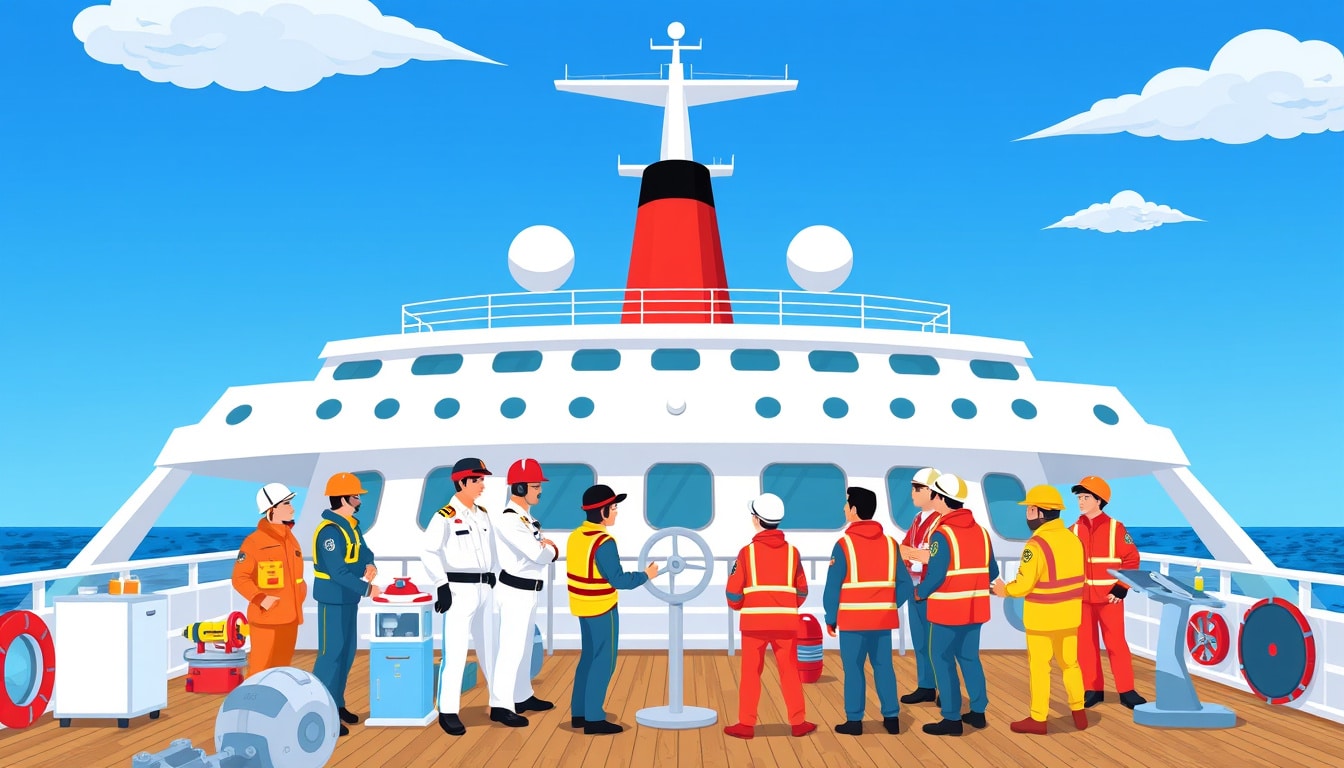
Vessel Personnel Without Security Responsibilities (VPWOSR) Explained: Who Should Take This Training?

In the maritime industry, safety and security are paramount concerns. One crucial training program designed to ensure compliance with international regulations is the Vessel Personnel Without Security Responsibilities (VPWOSR) training. This training is essential for individuals who are part of a vesselโ€™s crew but do not have security-related duties. In this article, we will explore what VPWOSR entails, who should consider enrolling in this training program, its key components, and the benefits of completing the VPWOSR training.

Learn more about our Courses here!

Vessel Personnel Without Security Responsibilities (VPWOSR) Explained: Who Should Take This Training?

Key Takeaways

  • VPWOSR training is designed for vessel personnel who do not have specific security responsibilities.
  • Understanding the definition and purpose of VPWOSR is crucial for vessel operators and staff.
  • Key components of the VPWOSR training program include security awareness and emergency response protocols.
  • Completing VPWOSR training enhances overall vessel security and safety culture.
  • Training benefits include compliance with regulations and improved job performance for personnel.

Understanding VPWOSR: Definition and Purpose

Vessel Personnel Without Security Responsibilities (VPWOSR) is a crucial training program aimed at individuals working on vessels who do not have specific duties in the realm of maritime security. This training is designed to ensure that all personnel are equipped with a fundamental understanding of security procedures, which is vital for maintaining safety standards on board. The purpose of VPWOSR training is to familiarize these individuals with the potential security threats they may encounter, the importance of following security measures, and the protocols for reporting unusual activities. This training is essential not only for enhancing the overall security culture of maritime operations but also for complying with International Ship and Port Facility Security (ISPS) Code requirements. Consequently, anyone involved in vessel operations, from crew members to support staff, should consider participating in VPWOSR training to contribute to a safer nautical environment.

Who Needs to Undergo VPWOSR Training?

Vessel Personnel Without Security Responsibilities (VPWOSR) Explained: Who Should Take This Training? Understanding the necessity for VPWOSR training is crucial for many maritime professionals. This specialized training is designed for personnel who do not have direct security duties on vessels but still play a vital role in the overall safety and security of maritime operations. The VPWOSR training is particularly beneficial for crew members such as deckhands, engineers, and even office-based personnel who may board vessels for inspections or maintenance. While these individuals may not be responsible for security tasks, they must be aware of potential threats and the role they play in supporting a safe operational environment. Therefore, anyone involved in the management, operation, or support of vessel activities could significantly benefit from this training, ensuring they are prepared to recognize and respond to security issues effectively.

Learn more about our Courses here!

Key Components of the VPWOSR Training Program

The Vessel Personnel Without Security Responsibilities (VPWOSR) training program is designed to equip maritime personnel with essential knowledge and skills needed to ensure safety and compliance in various maritime environments. Key components of the VPWOSR training program include an overview of maritime security measures, practical exercises on identifying and reporting security incidents, and an understanding of the relevant laws and guidelines affecting vessel operations. This training is particularly crucial for crew members who do not hold specific security duties but still play a vital role in maintaining vessel safety. Individuals such as deckhands, engineers, and stewards should consider taking the VPWOSR training to enhance their awareness of security protocols and foster a safer working environment aboard vessels. Ultimately, participating in the VPWOSR program not only aids in personal professional development but also contributes to the overall security culture of the maritime industry.

Benefits of Completing VPWOSR Training

In the maritime industry, understanding security protocols is crucial, even for personnel who do not have direct security responsibilities. This is where the Vessel Personnel Without Security Responsibilities (VPWOSR) training comes into play. Completing VPWOSR training provides numerous benefits, not only enhancing personal skill sets but also contributing to the overall security of maritime operations. Firstly, this training equips personnel with essential knowledge about maritime security threats and the appropriate responses, fostering a culture of vigilance among all staff. Additionally, participants learn to identify suspicious behavior and understand the importance of reporting protocols, which are vital in safeguarding vessels against potential risks. Another significant benefit is compliance with the International Ship and Port Facility Security (ISPS) Code, ensuring that companies meet legal obligations. Ultimately, the VPWOSR training not only empowers individuals with critical awareness but also reinforces a collective responsibility for security within the maritime environment, making it an essential course for anyone working in the sector.

About Virtual Maritime Academy

Virtual Maritime Academyย is a leading provider of online maritime education and training, offering a wide range of courses designed to meet the needs of the global maritime industry. With a commitment to quality and innovation, Virtual Maritime Academy is dedicated to preparing seafarers and maritime professionals for success in their careers. Now aย DNV Certified Maritime Training Provider, the academy upholds the highest standards of excellence in training and education.
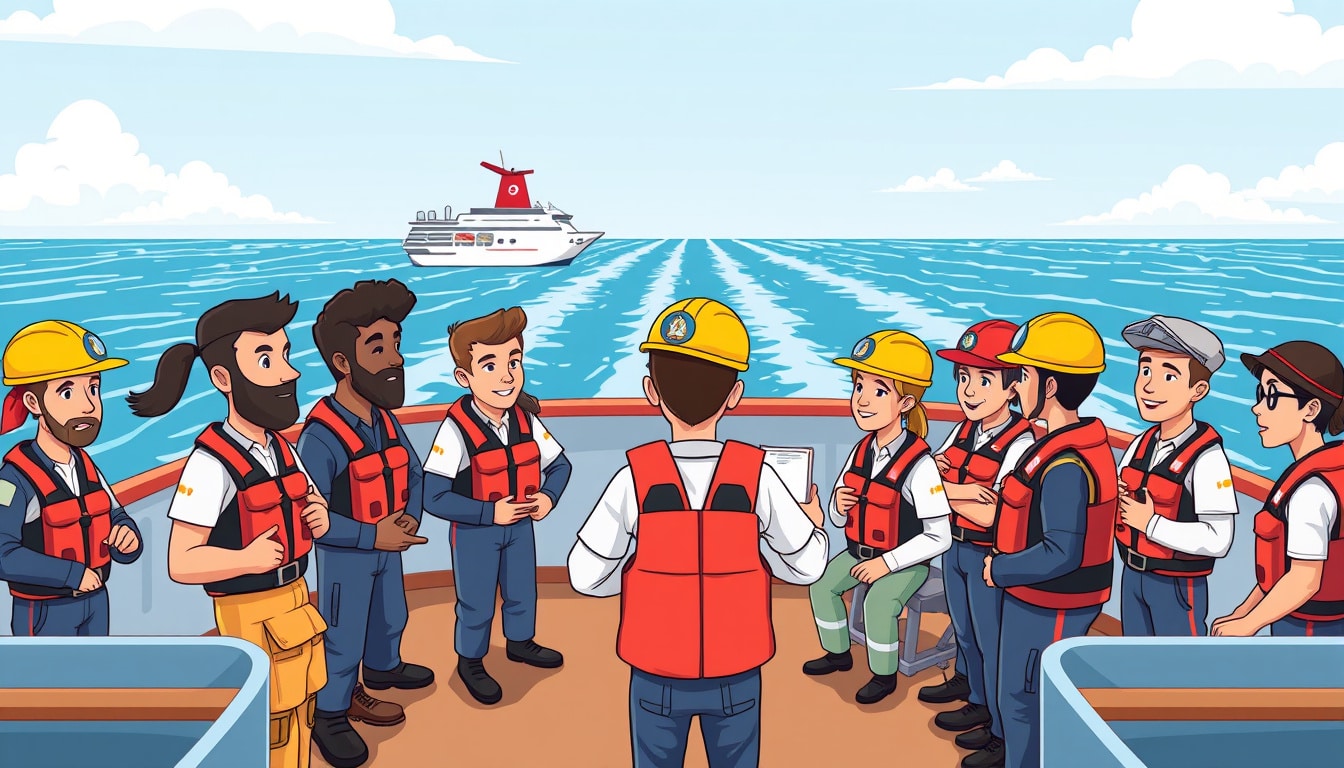
Essential Training for Vessel Personnel Without Security Responsibilities (VPWOSR): What You Need to Know

In the ever-evolving landscape of maritime operations, security training is a crucial aspect that cannot be overlooked. One of the significant certifications available for maritime personnel is the Essential Training for Vessel Personnel Without Security Responsibilities (VPWOSR). This certification not only enhances the skill set of vessel crew members but also plays a vital role in ensuring the safety and security of maritime operations. In this article, we will delve into the essential aspects of VPWOSR, exploring its core components, the importance of such training for maritime safety, and the future trends that are shaping maritime security training.

Learn more about our Courses here!

Essential Training for Vessel Personnel Without Security Responsibilities (VPWOSR): What You Need to Know

Key Takeaways

  • The VPWOSR certification is crucial for maritime personnel who do not have direct security duties.
  • Key training modules focus on safety protocols, emergency procedures, and basic security awareness.
  • Understanding VPWOSR is essential for enhancing overall maritime safety and compliance with international regulations.
  • Participation in VPWOSR training can lead to improved job performance and safety awareness on-board vessels.
  • Future trends in maritime security training suggest a growing emphasis on technology and integrated safety systems.

Understanding the VPWOSR Certification

The Essential Training for Vessel Personnel Without Security Responsibilities (VPWOSR) certification is crucial for individuals working in the maritime industry, particularly those on vessels that do not engage in security operations. This certification equips personnel with the fundamental understanding of maritime security protocols and their role in ensuring a safe and secure marine environment. Designed per the International Maritime Organization’s (IMO) standards, the VPWOSR training covers essential topics such as the importance of security awareness, recognizing potential security threats, and reporting procedures. By obtaining this certification, crew members can contribute effectively to the overall safety of the vessel, enhancing not only their personal skills but also the integrity of the maritime industry as a whole. Whether you are a seasoned sailor or just starting your maritime career, understanding the VPWOSR certification can be a game-changer, providing you with the necessary tools to navigate the complexities of security in modern maritime operations.

Key Training Modules and Learning Outcomes

When it comes to the maritime industry, ensuring that all personnel are well-equipped with the right skills and knowledge is paramount. One critical area of focus is the Essential Training for Vessel Personnel Without Security Responsibilities (VPWOSR). This training is designed for crew members who do not have designated security roles on board vessels, yet still play a crucial part in maintaining safety and compliance with International Maritime Organization (IMO) regulations.

Key training modules in the VPWOSR program cover a variety of essential topics, including safety awareness, emergency procedures, and basic security protocols. Participants learn how to recognize and respond to potential security threats, understand the importance of maintaining the integrity of the vessel, and implement best practices in their daily operations.

Moreover, the learning outcomes of this training ensure that personnel are prepared to contribute to the overall safety culture aboard the vessel. Graduates of the VPWOSR course will emerge with enhanced situational awareness, the ability to identify suspicious activities, and a clearer understanding of their role in the collective safety of the maritime environment, all of which are vital for preventing security breaches and enhancing the safety of the crew and vessel.

Learn more about our Courses here!

Importance of VPWOSR for Maritime Safety

The Importance of VPWOSR for Maritime Safety cannot be overstated, especially in an industry where the safety of both personnel and vessels is paramount. Essential Training for Vessel Personnel Without Security Responsibilities (VPWOSR) equips maritime workers with the necessary skills and knowledge to operate safely within a marine environment. This type of training is specifically essential for those personnel who do not hold specific security roles but still play a vital part in maintaining a secure operational atmosphere. By understanding threats and emergency protocols, vessel personnel can contribute significantly to overall maritime safety, reducing risks and ensuring compliance with international maritime standards. As maritime regulations continue to evolve, embracing VPWOSR training is crucial not only for enhancing individual competence but also for fostering a culture of safety across all maritime operations. This comprehensive training ensures that every crew member is aware of their responsibilities and is prepared to respond effectively to any security challenges that may arise.

Future Trends in Maritime Security Training

As the maritime industry faces evolving threats, ensuring the safety and security of vessels and their personnel becomes paramount. One significant development in this arena is the introduction of Essential Training for Vessel Personnel Without Security Responsibilities (VPWOSR). This specialized training course is crucial for non-security personnel on ships, providing them with the knowledge and skills to recognize potential threats and understand security protocols relevant to their roles aboard vessels. Future trends in maritime security training will focus heavily on integrating technology such as virtual reality for immersive scenarios and enhanced situational awareness, making the VPWOSR training more engaging and effective. Additionally, as regulations continue to evolve, adherence to international standards and guidelines will ensure that personnel are better equipped to manage risks. With more emphasis on collaborative security measures and the cross-training of crew members, it is essential for maritime operators to prioritize VPWOSR in their training programs, ensuring that all personnel are prepared, informed, and proactive in maintaining maritime security.

About Virtual Maritime Academy

Virtual Maritime Academyย is a leading provider of online maritime education and training, offering a wide range of courses designed to meet the needs of the global maritime industry. With a commitment to quality and innovation, Virtual Maritime Academy is dedicated to preparing seafarers and maritime professionals for success in their careers. Now aย DNV Certified Maritime Training Provider, the academy upholds the highest standards of excellence in training and education.

Why Every Maritime Company Needs an Company Security Officer (CSO)

In today’s ever-evolving global landscape, the maritime industry faces a multitude of security challenges that can have serious implications for both safety and business continuity. This has led to a growing recognition of the crucial role that a Company Security Officer (CSO) plays within maritime organizations. In this article, we will explore why every maritime company needs a Company Security Officer (CSO), delving into their responsibilities, the importance of maritime security, and how to effectively implement a robust security strategy.

Learn more about our Courses here!

Key Takeaways

  • The Company Security Officer (CSO) is essential for ensuring the security of maritime operations.
  • Maritime security is critical due to increasing risks from piracy, terrorism, and cyber threats.
  • A CSO must possess strategic thinking, leadership skills, and knowledge of security protocols.
  • Implementing a robust security strategy requires thorough risk assessments and employee training.
  • Every maritime company, regardless of size, benefits from having a dedicated security officer to manage risks effectively.

Understanding the Role of a Company Security Officer (CSO)

In the ever-evolving landscape of the maritime industry, understanding the role of a Company Security Officer (CSO) has become increasingly essential. A CSO is not just a figurehead; they are pivotal in ensuring compliance with international security regulations and safeguarding a company’s assets and operations. When addressing the question of why every maritime company needs a Company Security Officer (CSO), it is crucial to highlight their multifaceted responsibilities, which include developing security policies, conducting risk assessments, and training staff on security protocols. With the rise of threats such as piracy, cyber-attacks, and terrorism, having a dedicated security professional helps maritime companies navigate these challenges effectively. Furthermore, a CSO ensures that an organization remains compliant with the ISPS Code (International Ship and Port Facility Security), protecting not only the company’s reputation but also its financial interests in a competitive global market. Hence, the role of a CSO is indispensable, making it clear that every maritime company should prioritize appointing a skilled individual to this vital position.

The Importance of Maritime Security in Today’s World

In today’s interconnected world, the significance of maritime security cannot be overstated. With the proliferation of global trade and the rising threats of piracy, terrorism, and smuggling, ensuring safe passage for ships and cargo is more crucial than ever. This is where a Company Security Officer (CSO) becomes an indispensable asset for every maritime company.

The role of a CSO is pivotal in developing, implementing, and enforcing security protocols that safeguard vessels and port facilities against various risks. Not only does the presence of a CSO help in mitigating potential threats, but it also ensures compliance with international security regulations such as the International Ship and Port Facility Security (ISPS) Code. Moreover, a CSO plays a vital role in fostering a culture of security awareness among employees, leading to proactive measures that can prevent incidents before they occur. In essence, the investment in a CSO is not just a regulatory requirement, but a strategic move that can protect assets, enhance operational efficiency, and uphold a companyโ€™s reputation in the highly competitive maritime industry. The question of ‘Why every maritime company needs an Company Security Officer’ is underscored by these multifaceted benefits, making the presence of a CSO an essential component of any maritime security strategy.

‘Security is not a product, but a process.’ – Bruce Schneier

Learn more about our Courses here!

Key Responsibilities and Skills of a CSO

Key Responsibilities and Skills of a CSO

The role of a Company Security Officer (CSO) is increasingly vital in todayโ€™s maritime industry, especially considering the challenges posed by heightened security risks. A CSO is responsible for developing, implementing, and overseeing security policies and procedures within a maritime organization. They assess security risks, conduct regular audits, and ensure compliance with national and international regulations. Additionally, the CSO plays a crucial role in training personnel on security protocols, coordinating with law enforcement and maritime authorities, and managing incidents that threaten the security of the company’s assets. To succeed in this role, a CSO should possess strong analytical skills, a comprehensive understanding of maritime security regulations, and exceptional leadership abilities. Understanding why every maritime company needs an Company Security Officer (CSO) is crucial; not only does it safeguard the organizationโ€™s operations, but it also reinforces stakeholder confidence and contributes to the overall integrity of the maritime industry.

How to Implement an Effective Security Strategy in Maritime Operations

In today’s maritime industry, the risks associated with piracy, smuggling, and cyber threats have made it imperative for companies to prioritize security. This is where the role of a Company Security Officer (CSO) becomes crucial. Why every maritime company needs a CSO is not just a matter of compliance but a strategic move towards enhanced safety and operational integrity. A CSO is essential for developing and implementing an effective security strategy that safeguards your vessels, personnel, and cargo from potential threats. This dedicated professional is responsible for conducting risk assessments, establishing security protocols, and ensuring that the company adheres to international maritime security regulations. By investing in a CSO, maritime companies not only protect their assets but also build trust with clients and stakeholders, ultimately leading to improved business performance and a competitive advantage in the market.

About Virtual Maritime Academy

Virtual Maritime Academyย is a leading provider of online maritime education and training, offering a wide range of courses designed to meet the needs of the global maritime industry. With a commitment to quality and innovation, Virtual Maritime Academy is dedicated to preparing seafarers and maritime professionals for success in their careers. Now aย DNV Certified Maritime Training Provider, the academy upholds the highest standards of excellence in training and education.
Protecting Ports Worldwide: Why Port / Marine Facility Security Officer (PFSO/MFSO) Training is Crucial

As the backbone of the global economy, ports and marine facilities play a crucial role in the movement of goods and services. However, with this vital infrastructure comes the responsibility of ensuring security against potential threats. This is where Port / Marine Facility Security Officer (PFSO/MFSO) training becomes essential. ‘Protecting ports worldwide: why Port / Marine Facility Security Officer (PFSO/MFSO) training is crucial’ highlights the importance of specialized training for security personnel tasked with safeguarding these critical assets. This article will delve into the vital role of PFSOs/MFSOs, the key components of their training programs, the real-world impacts of enhanced port security, and emerging trends in security training.

Learn more about our Courses here!

Key Takeaways

  • PFSOs/MFSOs play a vital role in maintaining the security and safety of ports and marine facilities.
  • Effective PFSO/MFSO training encompasses risk assessment, emergency response, and security protocol development.
  • Enhanced port security directly impacts global trade stability and helps prevent maritime crime.
  • Innovative technologies and practices are shaping the future of port security training methodologies.
  • Investing in PFSO/MFSO training is essential for adapting to emerging security threats and regulatory requirements.

The Role of Port / Marine Facility Security Officers

In today’s increasingly interconnected world, the significance of port and marine facility security cannot be overstated. Protecting ports worldwide is not just about safeguarding goods and vessels; it is crucial for national security, economic stability, and environmental protection. The role of Port / Marine Facility Security Officers (PFSOs/MFSOs) is vital in this context, as they are responsible for implementing security measures, conducting threat assessments, and ensuring compliance with international regulations. This is where PFSO/MFSO training comes into play. Proper training equips these security professionals with the knowledge and skills required to recognize potential threats, respond effectively to incidents, and foster a culture of safety and awareness among port employees and visitors. By investing in PFSO/MFSO training, ports not only enhance their security posture but also contribute to the overall safety of maritime operations worldwide.

Key Components of PFSO/MFSO Training

When it comes to protecting ports worldwide, the role of the Port Facility Security Officer (PFSO) and Marine Facility Security Officer (MFSO) is paramount. PFSO/MFSO training equips security personnel with essential skills and knowledge to identify, assess, and mitigate security threats to maritime facilities. Key components of this training include understanding the International Ship and Port Facility Security (ISPS) Code, risk assessment techniques, and emergency preparedness strategies. Additionally, effective communication and collaboration with local law enforcement and governmental bodies form a core part of the curriculum. By undergoing this crucial training, officers not only enhance their capabilities but also play a significant role in maintaining the security of vital shipping routes, thus ensuring that the global supply chain remains intact and efficient.

‘Security is not a product, but a process.’ – Bruce Schneier

Learn more about our Courses here!

Real-world Impacts of Enhanced Port Security

In an era where global trade flows rapidly across oceans, the role of port security has never been more critical. Protecting ports worldwide isn’t just about safeguarding physical assets; it’s about ensuring the safety of maritime operations and the integrity of supply chains. This is where the importance of robust training for Port and Marine Facility Security Officers (PFSO/MFSO) comes into play. With threats ranging from terrorism to smuggling and cyberattacks, a well-trained PFSO/MFSO team can recognize vulnerabilities and implement effective security measures. Proper training equips these officers with the skills necessary to lead security protocols, conduct risk assessments, and respond swiftly to incidents. Furthermore, as international regulations and standards surrounding port security evolve, ongoing education ensures that these professionals remain adept at managing emerging challenges. Therefore, investing in PFSO/MFSO training is not merely a regulatory requirement but a vital component in fortifying our ports against evolving security threats.

Future Trends in Port Security Training

As global trade continues to expand, the importance of protecting ports worldwide cannot be overstated. This is where the role of Port / Marine Facility Security Officers (PFSO/MFSO) becomes crucial. Future trends in port security training will evolve to incorporate advanced technologies and innovative strategies aimed at combating emerging threats. With an increasing reliance on automation and data analytics, PFSO/MFSO training programs will need to focus on equipping officers with the skills to utilize new security systems effectively. Additionally, enhancing situational awareness through scenario-based training and simulations will remain integral, ensuring that security personnel can respond swiftly to potential threats. As we look ahead, it’s clear that comprehensive training for PFSO/MFSOs is essential in safeguarding our maritime facilities and maintaining the integrity of international supply chains.

About Virtual Maritime Academy

Virtual Maritime Academyย is a leading provider of online maritime education and training, offering a wide range of courses designed to meet the needs of the global maritime industry. With a commitment to quality and innovation, Virtual Maritime Academy is dedicated to preparing seafarers and maritime professionals for success in their careers. Now aย DNV Certified Maritime Training Provider, the academy upholds the highest standards of excellence in training and education.
Become a Certified Designated Person Ashore (DPA): Navigating the ISM Code with Confidence

In todayโ€™s maritime industry, the importance of ensuring safety, compliance, and quality management cannot be overstated. A critical figure in achieving these goals is the Designated Person Ashore (DPA). As organizations strive to adhere to the International Safety Management (ISM) Code, the demand for certified professionals who can navigate the complexities of maritime safety has grown significantly. This article aims to provide you with essential insights on how to become a Certified Designated Person Ashore (DPA), including understanding the role, key responsibilities, required skills, and the necessary steps for certification. Moreover, we will explore best practices for effectively navigating the ISM Code, empowering you to implement robust safety management systems with confidence.

Key Takeaways

  • The role of a Designated Person Ashore (DPA) is crucial for ensuring maritime safety and compliance.
  • Key responsibilities of a DPA include overseeing ISM Code adherence and facilitating effective communication.
  • Essential skills for a DPA include strong leadership, risk management, and thorough knowledge of maritime regulations.
  • To obtain DPA certification, candidates must follow specific steps including training and assessment requirements.
  • Implementing best practices in ISM Code navigation enhances organizational compliance and promotes maritime industry standards.

Understanding the Role of a Designated Person Ashore (DPA)

Understanding the Role of a Designated Person Ashore (DPA) is crucial for those in the maritime industry. The DPA is a key figure responsible for ensuring that shipping operators comply with the International Safety Management (ISM) Code, which is essential for maintaining safety and environmental standards at sea. To become a Certified Designated Person Ashore (DPA): Navigating the ISM Code with Confidence, one must possess a thorough understanding of maritime regulations, safety procedures, and crisis management. This involves both rigorous training and practical experience in the field. Aspiring DPAs should focus on enhancing their knowledge of safety management systems, fostering effective communication skills, and developing a keen awareness of marine operations. By mastering these aspects, you can confidently take on the responsibilities of a DPA, ensuring the safety and efficiency of maritime operations while promoting a culture of safety across the fleet.

Key Responsibilities and Skills Required for a DPA

To become a Certified Designated Person Ashore (DPA): Navigating the ISM Code with Confidence, it is essential to understand the key responsibilities and skills required for this pivotal role in maritime operations. A DPA is typically tasked with ensuring compliance with the International Safety Management (ISM) Code, which includes overseeing safety practices, environmental protection, and operational efficiency aboard vessels. Crucial responsibilities include conducting audits and inspections, facilitating training and safety drills for crew members, and acting as the primary point of contact between shore management and shipboard personnel. Additionally, a DPA must possess strong leadership qualities, excellent communication skills, and a solid understanding of maritime law and regulations. Proficiency in risk assessment and crisis management is also vital, as the DPA must be adept at identifying and mitigating potential hazards. By cultivating these skills and adhering to the ISM Code, aspiring DPAs can ensure they are well-prepared to support safe and efficient maritime operations.

‘The key to successful leadership today is influence, not authority.’ – Ken Blanchard

Steps to Obtain DPA Certification

Becoming a Certified Designated Person Ashore (DPA): Navigating the ISM Code with Confidence involves several crucial steps that ensure you understand the responsibilities and intricate details of maritime safety management. First, familiarize yourself with the International Safety Management (ISM) Code, as this serves as the foundation for the role of a DPA. Engage in comprehensive training, which could include courses offered by accredited maritime institutions focusing on the ISM Code, safety management systems, and emergency preparedness. After thorough training, it’s essential to gain practical experience within the maritime sector, possibly by taking positions that allow you to interact closely with DPA functions and responsibilities. Once you have a solid grasp of the role, prepare for and pass the certification examination, ensuring to review the ISM Code and any updates to industry regulations. Finally, upon receiving your certification, maintain your status by participating in continuous professional development. This pathway not only enhances your career prospects but also fosters a strong commitment to maritime safety and compliance.

Navigating the ISM Code: Best Practices for Compliance

Navigating the International Safety Management (ISM) Code can seem daunting, but by following best practices, you can ensure compliance and foster a culture of safety within your organization. One of the most crucial steps for companies operating in maritime industries is to become a Certified Designated Person Ashore (DPA). This certification empowers individuals with the knowledge and skills necessary to manage the ISM Code effectively, ensuring that safety procedures are adhered to, and operational risks are mitigated. To navigate the ISM Code with confidence, it is essential to develop a thorough understanding of its requirements, regularly conduct audits, engage in continuous training, and ensure open lines of communication between ship and shore management. By implementing these best practices, not only do you become compliant with the ISM Code, but you also create a safer working environment that prioritizes the well-being of all personnel involved. Embracing this proactive approach will enable you to not just meet regulatory standards but exceed them, ultimately enhancing your organizationโ€™s reputation in the maritime industry.

About Virtual Maritime Academy

Virtual Maritime Academyย is a leading provider of online maritime education and training, offering a wide range of courses designed to meet the needs of the global maritime industry. With a commitment to quality and innovation, Virtual Maritime Academy is dedicated to preparing seafarers and maritime professionals for success in their careers. Now aย DNV Certified Maritime Training Provider, the academy upholds the highest standards of excellence in training and education.
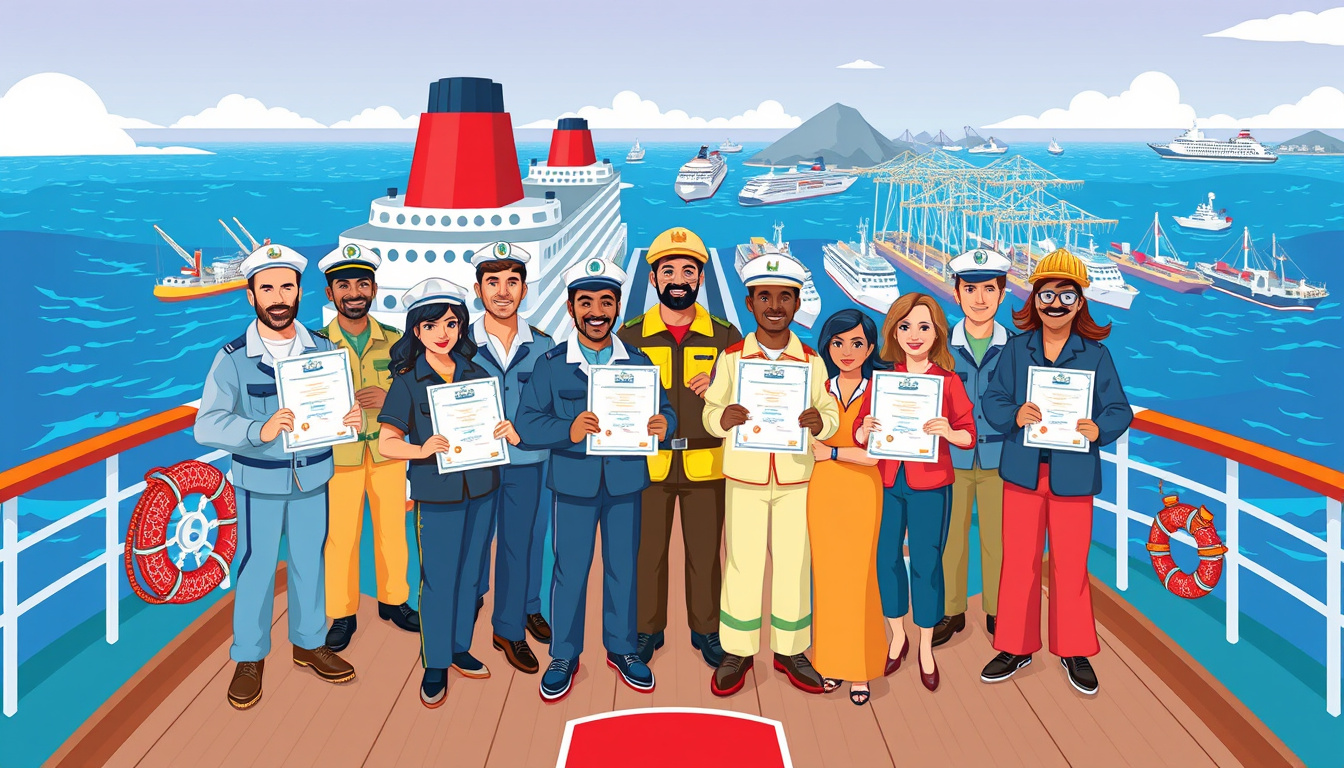
Why Every Seafarer Needs Security Awareness Training for All Seafarers (PSA) Certification Today

In the dynamic and often unpredictable world of maritime operations, security is of paramount importance. As globalization continues to expand the reach of shipping activities, the risks associated with maritime voyages have evolved. This is why every seafarer needs Security Awareness Training for All Seafarers (PSA) Certification today. This comprehensive training equips crew members with the knowledge and skills necessary to recognize and respond to various security threats, ensuring the safety of personnel, vessels, and cargo. In this article, we will delve into the fundamental reasons behind the necessity of PSA certification, explore its key components, highlight the benefits for both seafarers and maritime organizations, and outline the steps to obtain this essential certification, along with best practices for effective security awareness.

Why Every Seafarer Needs Security Awareness Training for All Seafarers (PSA) Certification Today

Key Takeaways

  • Security awareness training equips seafarers with the necessary skills to identify and mitigate security threats.
  • PSA certification is essential for compliance with international maritime security regulations.
  • The key components of PSA certification include threat assessment, security procedures, and emergency response training.
  • Seafarers with PSA certification enhance their employability and contribute to safer maritime operations.
  • Establishing best practices and ongoing training can ensure long-term adherence to security awareness protocols.

Understanding the Importance of Security Awareness Training

In todayโ€™s maritime world, security is paramount, making it essential that every seafarer undergoes Security Awareness Training. This training, often known as PSA Certification, equips seafarers with the critical skills needed to identify and manage security threats during their operations at sea. The importance of this training cannot be overstated; as maritime threats evolve, so too must the capabilities of those charged with maintaining safety and security onboard. By understanding the principles of security awareness, every seafarer can contribute to a culture of vigilance, ensuring not only their own safety but also that of their ship and crew. Navigating complex waters, both literally and figuratively, requires the knowledge imparted by Security Awareness Training to effectively handle potential security incidents. Thus, it is imperative that all seafarers prioritize this certification to ensure they are well-prepared to face these challenges head-on.

Key Components of PSA Certification

In today’s maritime industry, safety and security are paramount, making the PSA (Port Security Awareness) Certification essential for all seafarers. This certification addresses critical aspects of maritime security, ensuring that seafarers are well-informed about potential threats and the necessary protocols to mitigate risks. Key components of the PSA Certification include understanding the international maritime security framework, recognizing vulnerabilities in port operations, and mastering emergency response strategies. By undergoing Security Awareness Training, seafarers learn to identify suspicious activities, understand their roles in maintaining safety, and develop effective communication skills to report any potential security incidents. Ultimately, acquiring the PSA Certification not only enhances individual competencies but also contributes to a safer maritime environment. That’s why every seafarer needs Security Awareness Training for All Seafarers (PSA) Certification today, as it equips them with the knowledge and skills to navigate their responsibilities in an increasingly complex security landscape.

‘Security is not a product, but a process.’ โ€“ Bruce Schneier

Benefits of PSA Certification for Seafarers and Maritime Organizations

Benefits of PSA Certification for Seafarers and Maritime Organizations

In today’s maritime industry, security challenges continue to evolve, making it essential for seafarers and maritime organizations to stay ahead of the curve. This is where the importance of obtaining Security Awareness Training for All Seafarers (PSA) Certification becomes evident. Firstly, PSA certification equips seafarers with vital knowledge and skills to identify and respond to security threats, fostering a culture of security awareness onboard. Moreover, having your crew certified not only enhances the overall safety of the vessel but also demonstrates compliance with international regulations, thereby boosting the credibility of maritime organizations. Furthermore, this certification can open up more job opportunities for seafarers, as many employers prioritize candidates who possess recognized security training. In an era where maritime security is paramount, understanding why every seafarer needs Security Awareness Training for All Seafarers (PSA) Certification today is critical for the future of safe and secure maritime operations.

Steps to Obtain PSA Certification and Best Practices

Obtaining your PSA Certification is an essential step for all seafarers aiming to enhance their skills and adhere to safety protocols at sea. First, it’s crucial to understand why every seafarer needs Security Awareness Training for All Seafarers (PSA) Certification today. This certification not only complies with international regulations but also equips seafarers with the ability to recognize and respond to security threats effectively. The steps to achieving this certification typically begin with enrolling in an accredited training course, which covers critical subjects such as risk management, piracy prevention, and emergency response strategies. Next, aspiring seafarers must complete in-class training, often accompanied by practical exercises and assessments to ensure comprehension of the material. Upon successful completion of the course, candidates will receive their PSA Certification, validating their competence in maritime security. It’s advisable to regularly renew your certification and participate in refresher courses to stay updated on current security practices and standards, ensuring that you are always prepared to maintain a safe maritime environment.

About Virtual Maritime Academy

Virtual Maritime Academyย is a leading provider of online maritime education and training, offering a wide range of courses designed to meet the needs of the global maritime industry. With a commitment to quality and innovation, Virtual Maritime Academy is dedicated to preparing seafarers and maritime professionals for success in their careers. Now aย DNV Certified Maritime Training Provider, the academy upholds the highest standards of excellence in training and education.
Maritime Risk Assessments: Best Practices for a Secure and Compliant Operation

In the maritime industry, where the stakes are incredibly high, understanding and managing risks is essential for ensuring the safety and compliance of operations. Conducting thorough maritime risk assessments is a critical practice that helps identify potential hazards, assess their impacts, and develop strategies to mitigate them. This article will explore the best practices for conducting maritime risk assessments, ensuring not only regulatory compliance but also enhancing security and operational efficiency in your maritime endeavors.

Learn more about our courses!

Key Takeaways

  • Identifying the types and sources of maritime risks is essential for comprehensive risk assessment.
  • An effective maritime risk assessment incorporates key components such as hazard identification, risk analysis, and mitigation strategies.
  • Implementing best practices in risk assessment protocols can significantly enhance operational safety and efficiency.
  • Ensuring compliance with regulatory requirements is critical for maintaining security in maritime operations.
  • Continuous monitoring and review of risk assessments are necessary to adapt to evolving maritime threats.

Understanding Maritime Risks: Types and Sources

Understanding maritime risks is crucial for ensuring the safety and compliance of operations within the maritime industry. Maritime risk assessments: best practices for a secure and compliant operation involve identifying, analyzing, and mitigating potential hazards that can impact vessels, cargo, and crew. These risks can be categorized into various types, including environmental, operational, and regulatory risks. Environmental risks pertain to natural factors such as weather conditions and climate changes, while operational risks may arise from human errors, mechanical failures, or inadequate training of personnel. Regulatory risks are associated with compliance to international maritime laws and local regulations that govern safety and environmental protection. To effectively manage these risks, maritime organizations should implement best practices such as conducting regular risk assessments, investing in crew training, and utilizing advanced technology for monitoring and reporting. By embedding these practices into their operational framework, companies can not only safeguard their assets but also enhance their reputation and reliability in the highly competitive maritime sector.

Key Components of an Effective Maritime Risk Assessment

Conducting Maritime Risk Assessments: Best Practices for a Secure and Compliant Operation is essential for ensuring safety and regulatory compliance in the maritime industry. One of the key components of an effective maritime risk assessment is the identification of potential hazards. This involves determining risks associated with vessel operation, cargo handling, crew safety, and environmental factors. Next, a thorough evaluation of both the likelihood and impact of identified risks must be performed. Utilizing tools such as risk matrices facilitates a clear understanding of risk prioritization. Additionally, implementing control measures to mitigate these risks, followed by regular reviews and updates of the assessment, is critical. It ensures that new risks are identified and managed appropriately. By incorporating these essential elements into the risk assessment process, maritime operations can be more secure and compliant with industry regulations.

Learn more about our courses!

Best Practices for Implementing Risk Assessment Protocols

Implementing effective maritime risk assessments is crucial for ensuring safe and compliant operations within the shipping and maritime industries. To achieve this, it is essential to adhere to best practices that enhance both operational efficiency and safety standards. Begin by conducting a thorough identification and analysis of potential hazards, which can range from environmental factors to equipment failures. Involving a diverse team of experts in your assessments not only enriches the evaluation process but also fosters a culture of safety onboard. Regular training sessions for all personnel on risk management procedures should be prioritized, ensuring everyone understands their role in mitigating risks. Additionally, establishing a continuous monitoring system will allow for the timely updating of protocols based on new threats and operational changes. By focusing on these best practices when conducting maritime risk assessments, organizations can minimize liabilities, protect their assets, and maintain compliance with international maritime regulations, ultimately leading to a more secure and efficient operation.

Ensuring Compliance and Enhancing Security in Maritime Operations

In today’s complex maritime environment, organizations must prioritize maritime risk assessments to ensure compliance with international regulations and safeguard their operations. Conducting thorough maritime risk assessments enables companies to identify potential vulnerabilities and implement effective risk mitigation strategies. Best practices for a secure and compliant operation involve regular audits to evaluate compliance with safety standards, ongoing training for personnel on risk management protocols, and leveraging technology to enhance situational awareness. By integrating these best practices into their maritime operations, businesses can effectively minimize risks and safeguard not only their vessels but also their crew and cargo, ultimately leading to a more robust and resilient maritime operation.

The Role of the Designated Person Ashore (DPA) in Audit Compliance

In the maritime industry, the importance of regulatory compliance cannot be overstated. Central to ensuring that vessels adhere to international and local regulations is the Designated Person Ashore (DPA). The DPA plays a pivotal role in audit compliance, acting as the link between the ship management and regulatory bodies. Understanding the role of the DPA in audit compliance is crucial for shipping companies, as it not only ensures smooth operations but also safeguards against potential legal ramifications. This article delves into the DPA’s responsibilities, the challenges they face, and best practices they can implement to enhance audit readiness.

Learn more about our DPA courses!

Key Takeaways

  • The Designated Person Ashore (DPA) plays a crucial role in ensuring maritime audit compliance.
  • Key responsibilities of the DPA include overseeing safety management systems and maintaining regulatory standards.
  • DPAs face challenges such as regulatory changes and maintaining communication between ship and shore.
  • Best practices for DPAs to enhance audit readiness include regular training and thorough documentation processes.
  • Effective collaboration and proactive planning are essential for DPAs to navigate compliance challenges successfully.

Understanding the Designated Person Ashore (DPA) Role

The role of the Designated Person Ashore (DPA) in audit compliance is pivotal in ensuring that maritime operations adhere to international safety and environmental standards. The DPA serves as the key liaison between the ship and shore management, facilitating the implementation of the International Safety Management (ISM) Code. This individual is responsible for overseeing safety management systems, ensuring that ships operate within established protocols and regulations, and effectively addressing any non-conformities that may arise during audits. By maintaining compliance with various audit requirements, the DPA not only enhances the safety and operational efficiency of the fleet but also strengthens the organizationโ€™s reputation with regulatory bodies and stakeholders. Understanding the DPA’s role is essential for anyone involved in maritime management, as their proactive engagement in audit processes significantly contributes to the overall safety culture within the maritime industry.

Key Responsibilities of the DPA in Audit Compliance

The Role of the Designated Person Ashore (DPA) in audit compliance is crucial for ensuring that maritime operations adhere to regulatory requirements and safety standards. One of the key responsibilities of the DPA is to act as a liaison between the ship’s crew and shore management, facilitating communication and ensuring that audit findings are effectively addressed. The DPA is responsible for overseeing the implementation of the company’s safety management system (SMS), which includes conducting regular audits, assessments, and reviews of operational practices. Additionally, the DPA must ensure that all documentation required for audit trails is meticulously maintained and easily accessible, thereby streamlining the compliance process. By monitoring fleet performance and participating in audits, the DPA helps identify areas for improvement, ensuring that the organization not only meets compliance standards but also fosters a culture of continuous improvement throughout its operations.

Learn more about our DPA courses!

Challenges Faced by DPAs in Maintaining Compliance

The role of the Designated Person Ashore (DPA) in audit compliance is crucial, as it serves as the bridge between maritime operations and regulatory standards. However, DPAs face numerous challenges in maintaining compliance, which can impact the effectiveness of their audits. One significant challenge is the constantly evolving regulatory landscape; the DPA must stay informed about new and changing regulations to ensure ongoing compliance. This can involve extensive research and adaptation of existing procedures, which can be time-consuming and requires a high level of expertise. Additionally, there is often a disconnect between onboard crew and shore management, making it difficult for DPAs to gather accurate information necessary for thorough audits. Another hurdle is the lack of effective communication channels, which can lead to misunderstandings between various stakeholders involved in compliance efforts. Finally, the increasing complexity of international shipping logistics introduces difficulties in ensuring that all operations adhere to regulations across different jurisdictions. Addressing these challenges is vital for DPAs to secure successful audit outcomes and maintain high compliance standards.

Best Practices for DPAs to Enhance Audit Readiness

The Role of the Designated Person Ashore (DPA) in Audit Compliance is pivotal for maritime organizations striving for audit readiness and operational excellence. To enhance audit preparedness, DPAs should adopt several best practices. First, maintaining clear communication between ship and shore personnel is vital; this ensures that all parties are aware of compliance expectations and changes in regulations. Secondly, regular training sessions for crew members about audit procedures and compliance standards can foster a culture of accountability and diligence. Additionally, implementing a robust documentation system that tracks all pertinent activities and compliance checks allows for easy retrieval during audits. Furthermore, conducting internal audits periodically can identify areas for improvement and ensure that the organization meets industry standards consistently. By embodying these best practices, DPAs can significantly contribute to a smoother audit process, ensuring that their organization not only complies with regulations but excels in its operational capabilities.

How to Maintain Continuous Compliance with Maritime Security Regulations

Maintaining compliance with maritime security regulations is crucial for the safety and integrity of maritime operations. As the maritime industry continues to evolve, so do the regulations that govern it. From the International Maritime Organization (IMO) standards to various national and regional mandates, ensuring adherence to these regulations is not just a legal obligationโ€”it’s essential for protecting assets, personnel, and the environment. In this article, we will explore how to maintain continuous compliance with maritime security regulations through understanding these regulations, developing a comprehensive compliance management plan, training personnel effectively, and conducting regular audits to guarantee ongoing adherence.

Learn more about our courses!

Key Takeaways

  • Maritime security regulations are essential for protecting international waters and shipping activities.
  • Creating a comprehensive compliance management plan is crucial for effective adherence to regulations.
  • Regular training and involvement of personnel enhance awareness and commitment to compliance.
  • Conducting regular audits helps identify compliance gaps and areas for improvement.
  • Frequent updates to the compliance strategy ensure alignment with evolving maritime security regulations.

Understanding Maritime Security Regulations

Understanding Maritime Security Regulations is crucial for businesses operating within the shipping and maritime industry. These regulations are designed to protect vessels, port facilities, and personnel from emerging threats, including terrorism and piracy. To ensure the safety and security of operations, it’s vital to know how to maintain continuous compliance with maritime security regulations. This involves developing a comprehensive security plan that adheres to the International Ship and Port Facility Security (ISPS) Code, regularly training personnel, conducting risk assessments, and implementing effective monitoring and reporting mechanisms. By staying updated on regulatory changes and fostering a culture of security awareness across your organization, you can mitigate risks and enhance your compliance posture in this highly regulated environment.

Developing a Compliance Management Plan

Developing a compliance management plan is crucial for organizations operating within the maritime sector, especially given the stringent maritime security regulations. To understand how to maintain continuous compliance with maritime security regulations, begin by conducting a thorough risk assessment to identify potential areas of vulnerability. This assessment will provide insight into the specific regulations that apply to your operations. Following this, create a comprehensive compliance framework that outlines the policies, procedures, and responsibilities necessary for meeting these regulatory obligations. Regular training sessions for staff can also enhance awareness and ensure that everyone understands their role in maintaining compliance. Additionally, implementing a monitoring and review system will enable your organization to stay proactive in addressing regulatory changes and internal discrepancies. By establishing these best practices, you can effectively navigate the complexities of maritime security regulations and maintain continuous compliance in this ever-evolving landscape.

Learn more about our courses!

Training and Involvement of Personnel

In the intricate world of maritime operations, training and involvement of personnel are pivotal in how to maintain continuous compliance with maritime security regulations. Regular training sessions not only ensure that staff understand the latest regulatory updates, but they also foster a culture of awareness and vigilance. By engaging crew members in simulations and real-world scenarios, organizations can enhance their understanding of security protocols, risk assessment, and incident response. Furthermore, involving employees in compliance discussions empowers them to take ownership of security measures, promoting accountability and diligence across all levels. As maritime security regulations continually evolve, sustained personnel involvement is crucial in upholding compliance and safeguarding assets at sea.

Regular Audits and Updates for Compliance Maintenance

Maintaining continuous compliance with maritime security regulations is essential to ensure the safety of vessels and ports, as well as to adhere to legal requirements. To achieve this, organizations should implement regular audits and updates. Conducting scheduled audits helps identify gaps in compliance and areas for improvement, ensuring that all security measures are effective and up to date. Additionally, keeping abreast of changes in maritime security regulations is crucial; organizations should establish a process for regularly reviewing and updating their compliance policies. This proactive approach not only mitigates risks but also reinforces the organizationโ€™s commitment to security, ultimately fostering trust with stakeholders and regulatory bodies. By integrating regular audits and timely updates, organizations can effectively navigate the complexities of maritime security regulations and maintain a robust compliance framework.

Preparing for a Port State Control Inspection: What to Expect

Preparing for a Port State Control Inspection: What to Expect is an essential guide for ship operators, crew members, and maritime stakeholders. Understanding the complexities of Port State Control (PSC) inspections not only ensures compliance with international regulations but also enhances vessel safety and operational efficiency. In this article, we will delve into the purpose of Port State Control inspections, highlight common areas of focus during these inspections, provide practical steps to prepare your vessel, and share best practices for ensuring a successful inspection. By arming yourself with the right knowledge and strategies, you can navigate the inspection process with confidence and peace of mind.

Learn more about our courses!

Key Takeaways

  • Port State Control Inspections are critical for ensuring vessel compliance with international regulations.
  • Key areas of focus during inspections typically include safety equipment, environmental standards, and crew certification.
  • Vessels can prepare for inspections by conducting thorough pre-inspection audits and addressing deficiencies.
  • Implementing best practices, such as crew training and proper documentation, can greatly enhance inspection outcomes.
  • Understanding the inspection process can help crews feel more confident and reduce the likelihood of penalties.

Understanding Port State Control Inspections

Understanding Port State Control Inspections is crucial for shipowners and operators who aim to ensure compliance with international maritime safety standards. Preparing for a Port State Control Inspection: What to Expect can significantly enhance a vesselโ€™s chances of passing the inspection without issues. These inspections, conducted by authorities in a port state, evaluate foreign vessels to ensure adherence to safety and environmental regulations set by international conventions such as SOLAS (Safety of Life at Sea) and MARPOL (Marine Pollution). Typically, inspectors check the condition of the ship, its documentation, crew certifications, and compliance with pollution prevention measures. Therefore, thorough preparation is essential. This preparation includes conducting routine checks, ensuring all certificates are up to date, and holding crew training sessions to familiarize them with procedural expectations. By understanding the Port State Control Inspection process and preparing adequately, vessel operators can not only avoid costly delays and penalties but also foster a culture of safety and accountability within their maritime operations.

Common Areas of Focus During Inspections

When it comes to preparing for a Port State Control inspection, ship operators often have various common areas of focus to ensure compliance and smooth sailing through the inspection process. Understanding what inspectors typically scrutinize can make a significant difference in the outcome. Key areas include safety equipment, such as life jackets and fire-fighting gear, ensuring they are up to date and easily accessible. The condition of the vessel’s hull and machinery is also a critical focus; inspectors will look for any signs of wear and ensure maintenance records are in order. Additionally, documentation like the vessel’s safety management system and crew certifications must be thoroughly checked. Itโ€™s also vital to assess the environmental compliance aspects, including garbage disposal and pollution prevention measures. By being proactive and preparing for a Port State Control inspection, operators can better navigate the complexities of maritime regulations and minimize the risk of fines or detentions.

Learn more about our courses!

How to Prepare Your Vessel

Preparing for a Port State Control Inspection is a crucial aspect of maritime operations that can significantly impact your vessel’s efficiency and reputation. When gearing up for this inspection, it’s essential to understand the necessary steps and what to expect during the process. First and foremost, ensure that your vessel’s documentation is complete and up to date, including the ship’s certificates, validity of the crew’s licenses, and compliance with international conventions. Conduct a thorough internal audit of safety equipment, pollution prevention measures, and operational practices. Engage your crew in preparatory drills to familiarize them with emergency procedures, as inspectors often evaluate crew readiness as part of the inspection. Additionally, review past inspection reports to address any issues previously highlighted. Being organized and proactive not only enhances your chances of passing the inspection but also contributes to improved operational standards and maritime safety. Remember, effective communication with your crew and a clear understanding of the inspection requirements are key components of successfully preparing for a Port State Control Inspection.

Best Practices for a Successful Inspection

Preparing for a Port State Control Inspection: What to Expect is crucial for ensuring smooth operations for vessels. This process can often look daunting, but understanding the best practices can significantly ease the tension. First and foremost, itโ€™s essential to ensure that all documentation is in order. This includes certificates related to safety, pollution prevention, and crew qualifications, which should be readily available for inspection. Regular internal audits are also recommended to ensure compliance with international regulations, as this will help identify any potential issues before they arise during the actual inspection. Furthermore, conducting drills and training sessions with the crew not only reinforces safety protocols but also prepares them to answer questions confidently during the inspection. Another vital aspect is maintaining the vessel, ensuring that all equipment is operational and that the ship’s structure is in good condition. By adopting these best practices and understanding what to expect, ship operators can navigate the inspection process more efficiently, thereby minimizing delays and promoting a culture of safety.